48 hr
Khiva to Aral Sea Desert Expedition with Yurt Stay
- Expert local guide
- Small group
- Skip-the-line access
- Free cancellation
Nukus to Aral Sea Tour — Desert Expeditions & Ship Graveyard
Cross the Ustyurt Plateau to witness one of the century's starkest ecological shifts, anchored in rusting steel
Compare fares, pick the fit — all bookings are mobile-voucher and eligible for free cancellation where shown.
48 hr
120 hr
14 hr
Planning your nukus to aral sea tour requires selecting the right access level for the Regional History and Aral Sea Museum in Moynaq. Visitors can choose between standard independent entry or comprehensive guided excursion packages to explore this desert landmark.
| Standard Entry Museum Access Only |
Top pick Guided Expedition All-inclusive Tour |
|
|---|---|---|
| Entrance fee | 30,000 UZS | Varies by package |
| Access method | Walk-in (Timed) | Vehicle transport (Flexible) |
| Availability | 09:00–18:00 daily | 09:00–11:00 recommended |
| Areas included | Museum exhibits | Museum plus Ship Cemetery |
| Best for | Budget-conscious visitors | First-timers seeking context |
| See tickets & prices |
Verdict: For the most complete experience on your nukus to aral sea tour, opt for the guided expedition, whereas independent travelers should choose the standard entry for museum tickets.
Worth it for travelers seeking remote, poignant landscapes
A nukus to aral sea tour demands significant time and cost—day trips from Nukus span 8–10 hours of driving across empty steppe, while two-day expeditions with yurt stays push deeper into the former seabed. What you're paying for is access to one of the planet's starkest environmental disasters: rusted fishing trawlers marooned in Moynaq's ship graveyard, hundreds of kilometers from water, and the eerie expanse of exposed lakebed stretching toward a retreating shoreline. The 30,000 UZS conservation fee is nominal; the real cost is the charter or group tour itself. Multi-day Aral Sea excursions justify the journey with overnight stays and broader itineraries, while single-day Muynak ship graveyard tours compress the experience into a punishing round trip. This isn't a conventional sightseeing attraction—there are no facilities, no shade, and the visual narrative is bleak. But for photographers, environmental history enthusiasts, and travelers drawn to places that confront rather than comfort, the desolate beauty and historical weight make the trek worthwhile.
Bottom line: The nukus to aral sea tour is worth the journey if you value raw, uncommercialized encounters with environmental history over convenience.
They complement each other, though most visitors who do both call the full Nukus to Aral Sea tour the more immersive expedition. If you are short on time, a quick visit to the historical Moynaq landmarks offers a poignant, condensed look at the region's tragedy.
|
Top pick Aral Sea Expedition |
Moynaq Ship Graveyard | |
|---|---|---|
| Duration | 2–3 days | |
| Travel intensity | High (remote desert driving) | |
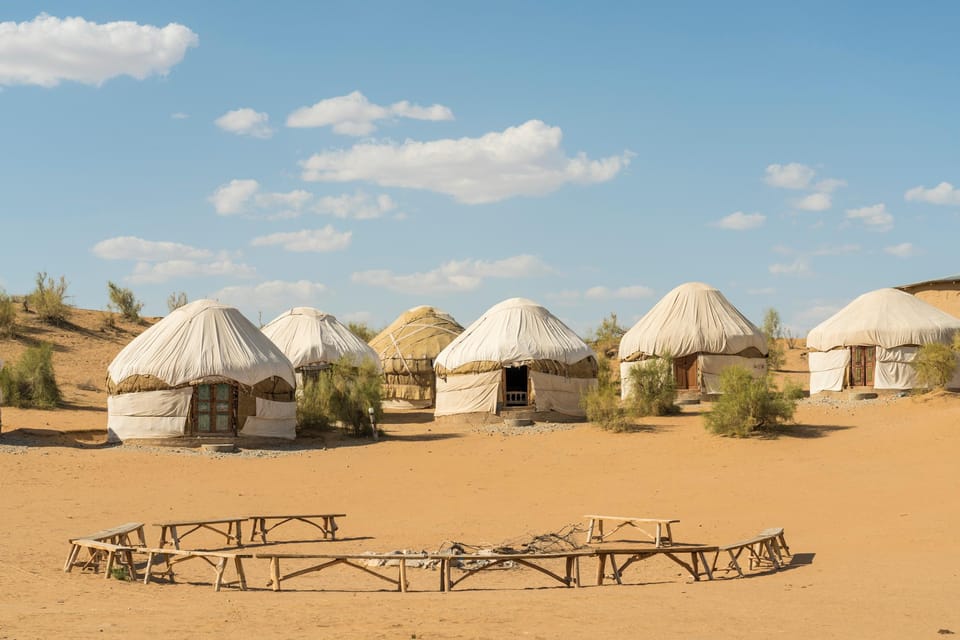
| Accommodation | Yurt camp (on seabed) | |
| Key sights | Salt plains and cliffs | |
| Booking requirements | Guided tour only | |
| Entrance fee | 30,000 UZS | |
| See tickets & prices |
Verdict: The multi-day Aral Sea tour provides a deeper, transformative experience for those seeking adventure, while the Moynaq site serves as an essential, accessible entry point for those with limited schedules.
Hand-picked experiences loved by thousands of travelers
6 hours
Free Cancellation
Journey to the haunting remnants of the Aral Sea disaster and witness dozens of rusting vessels stranded in the desert
16 hours
Free Cancellation
Full-day expedition to the haunting Aral Sea graveyard, Soviet avant-garde art, and ancient Silk Road ruins
3 hours
Free Cancellation
Private air-conditioned ride between two ancient cities with a photo stop at the haunting Tower of Silence
2 days
Free Cancellation
Journey across remote Karakalpakstan to the vanishing Aral Sea with overnight yurt camp under desert skies
15 hours
Free Cancellation
Venture into Karakalpakstan's remote heart: avant-garde art, stranded ships, and the Aral's haunting transformation
3 days
Free Cancellation
Journey across vanishing seas, salt deserts, and ancient plateaus in one of Central Asia's most isolated regions
7 hours
Free Cancellation
Turn your transfer into an adventure through four ancient Khorezm fortresses in the Kyzylkum Desert
6 hours
Free Cancellation
Journey through the Kyzylkum Desert to explore three ancient Silk Road fortresses from your Khiva hotel.
Early morning start from Nukus for the nukus to aral sea tour
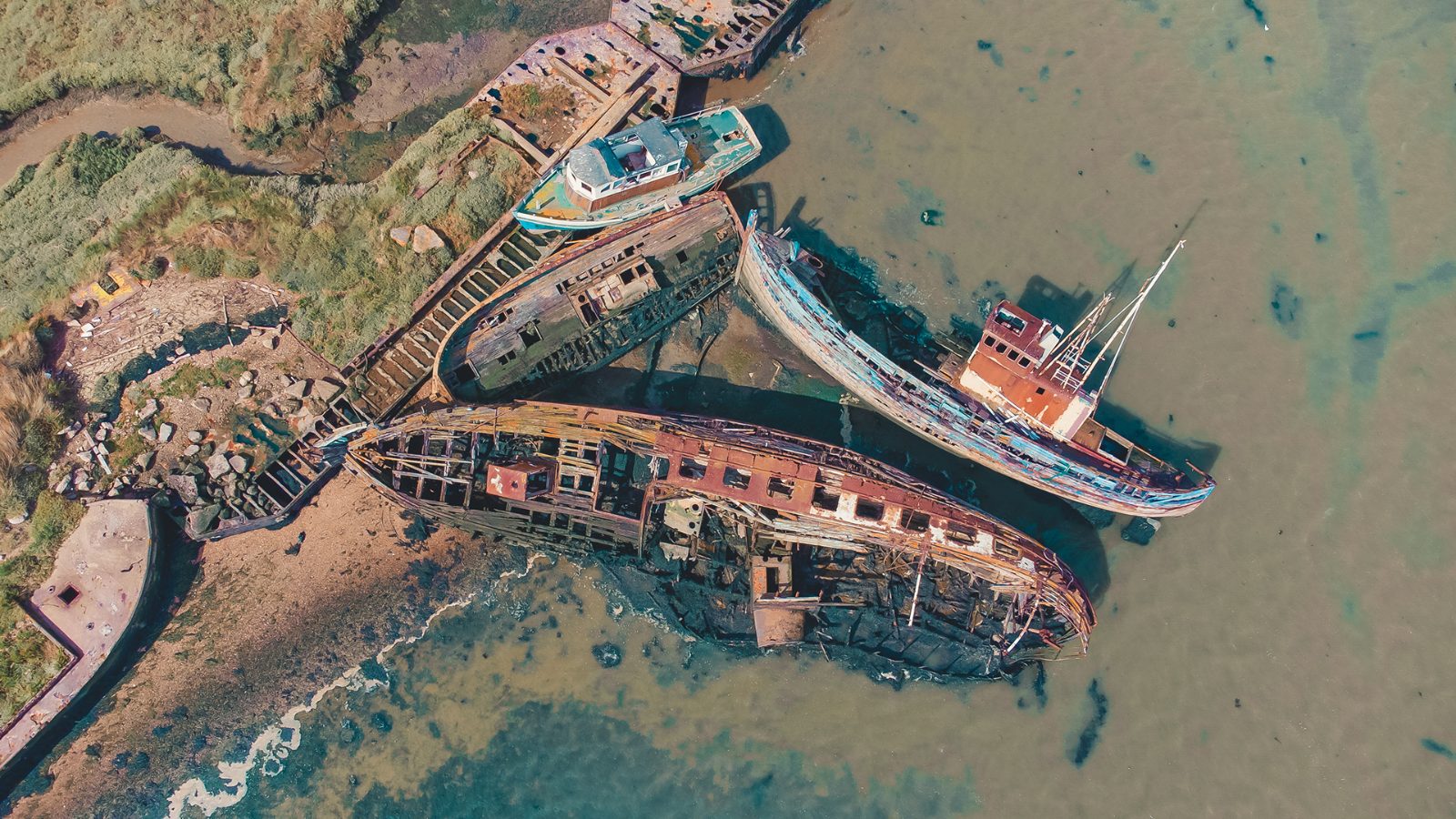
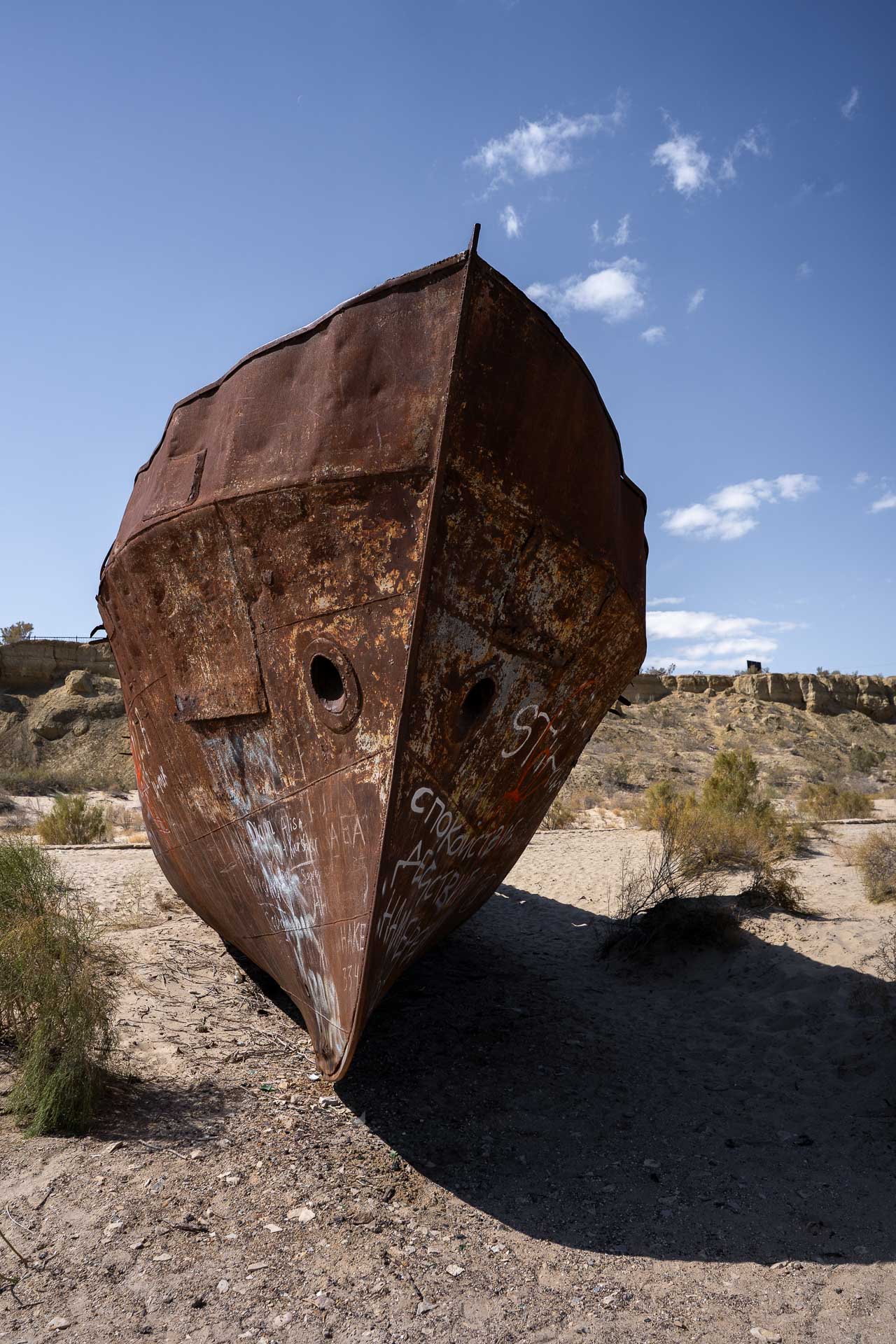
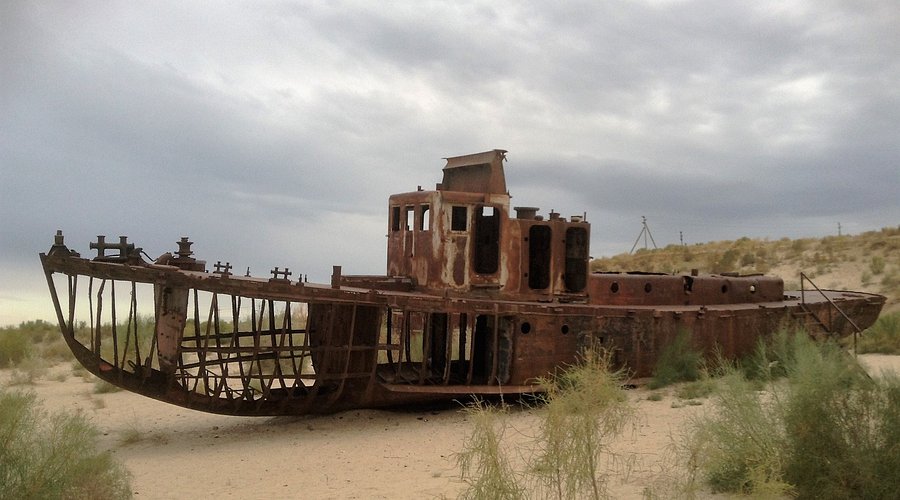
Visit the iconic rusty vessels in Muynak
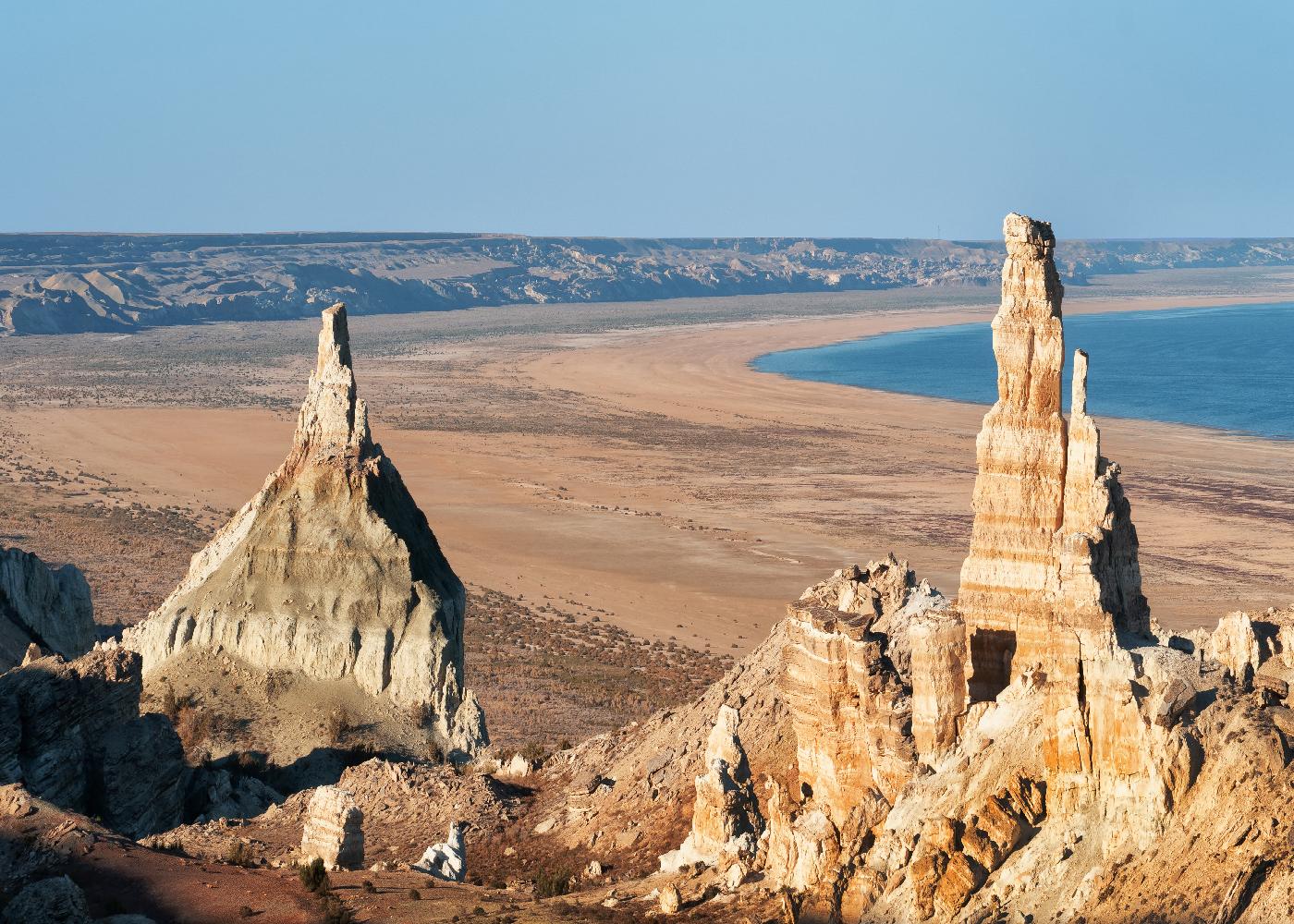
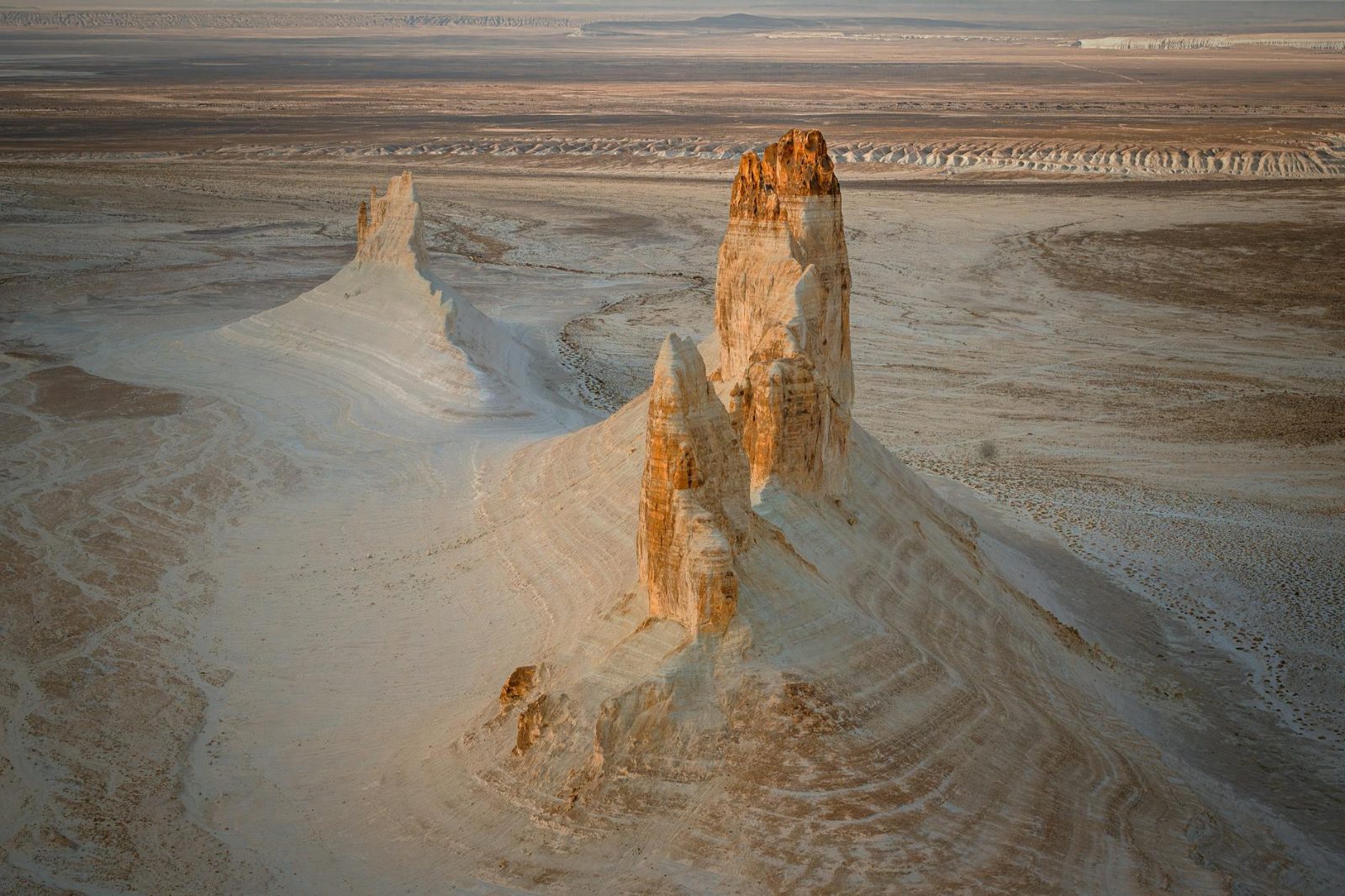
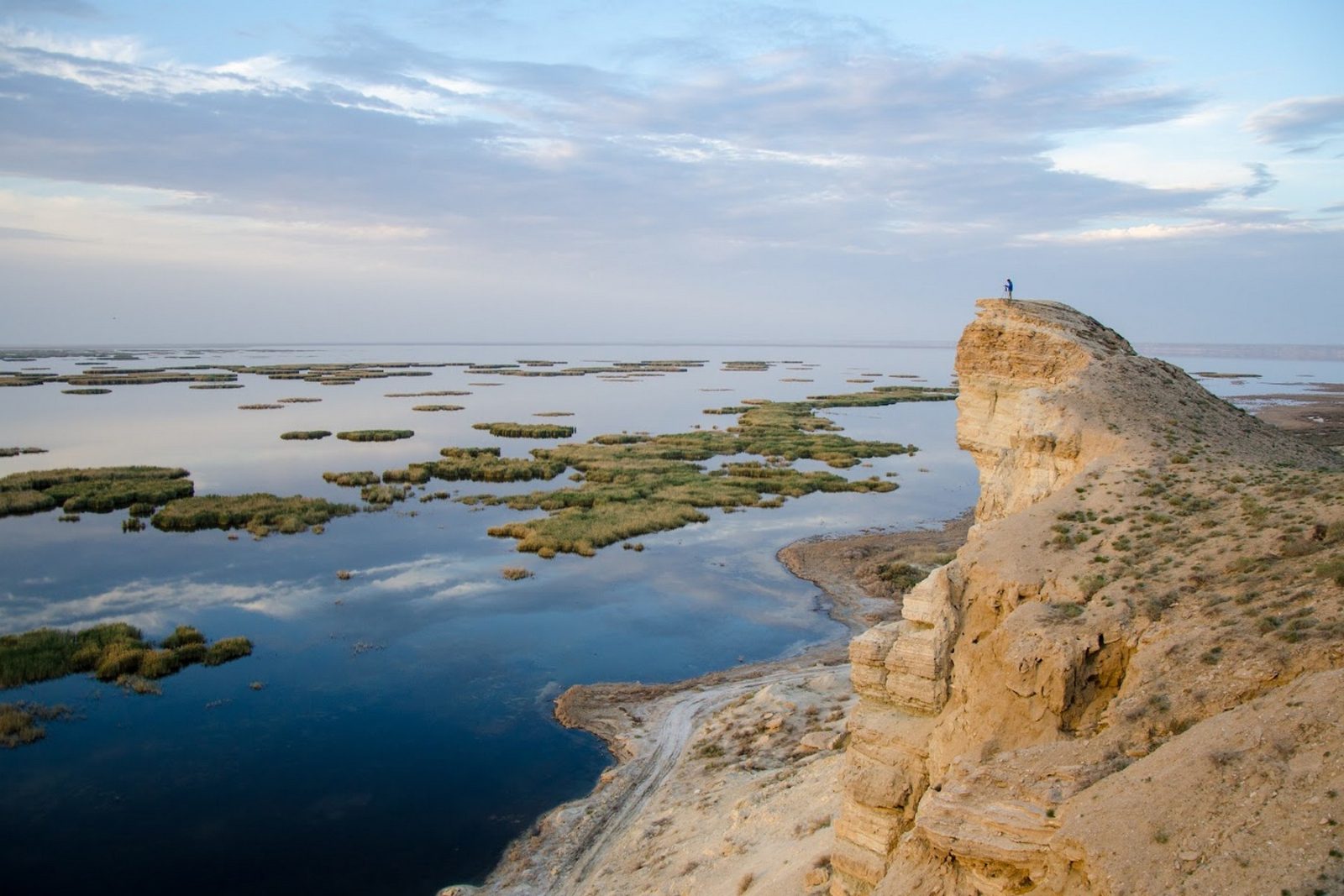
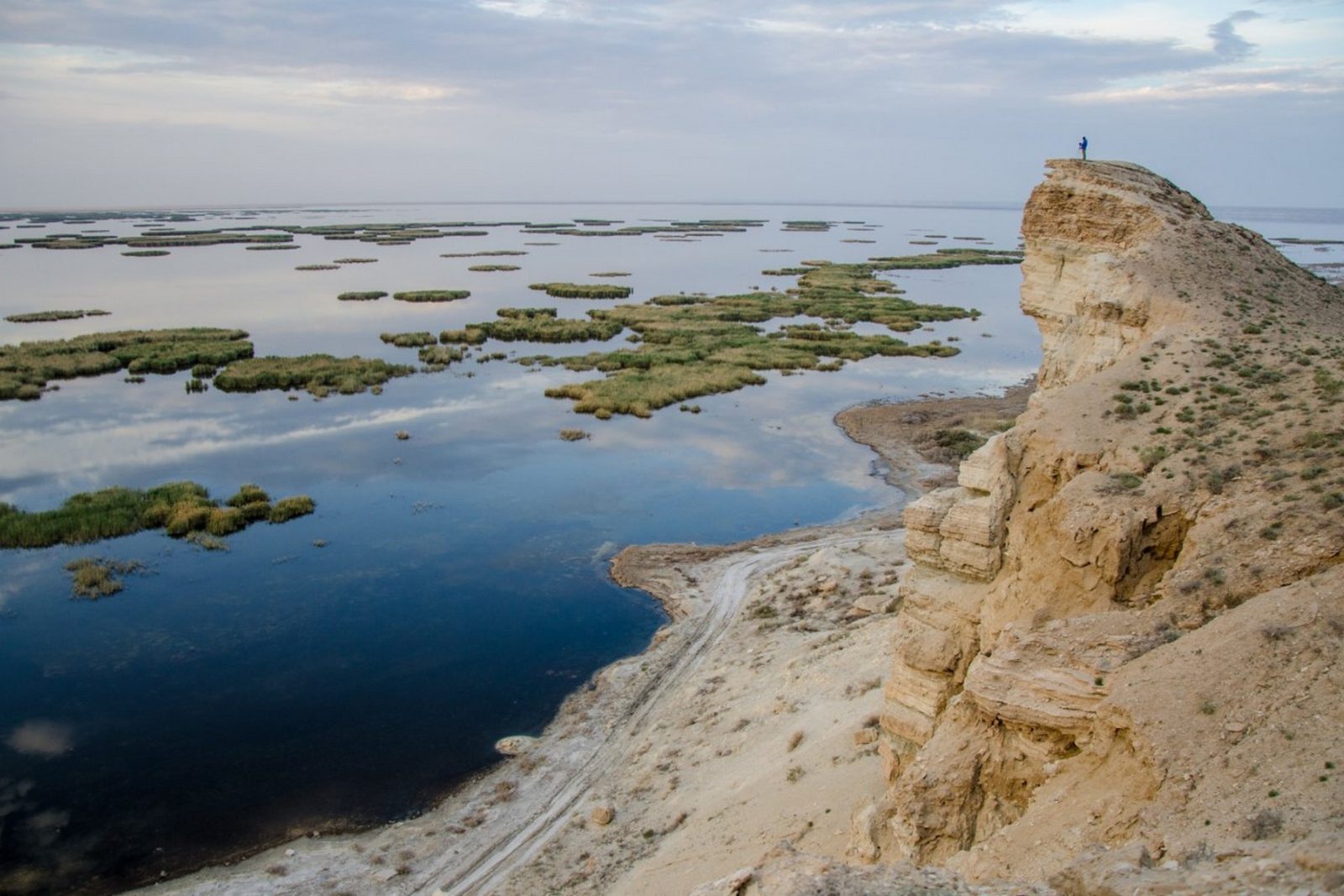
Crossing the limestone formations of the Ustyurt Plateau
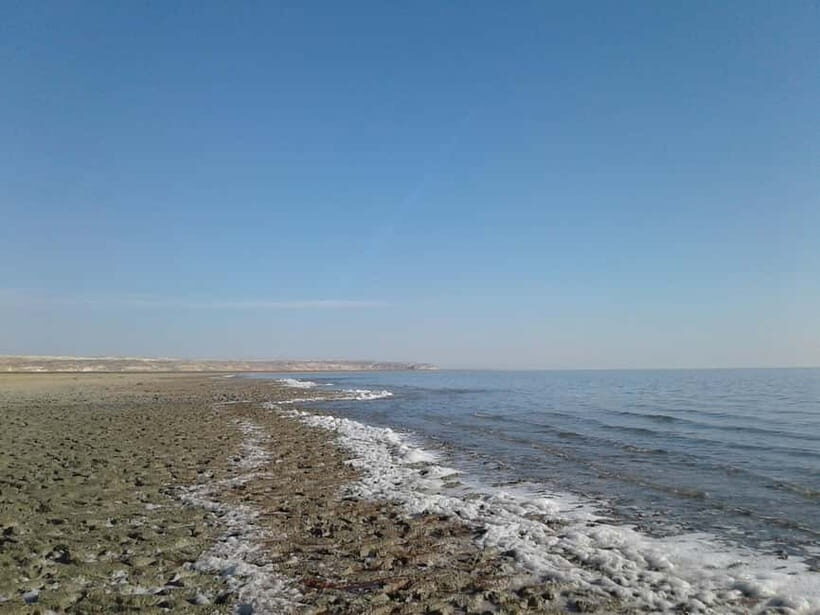
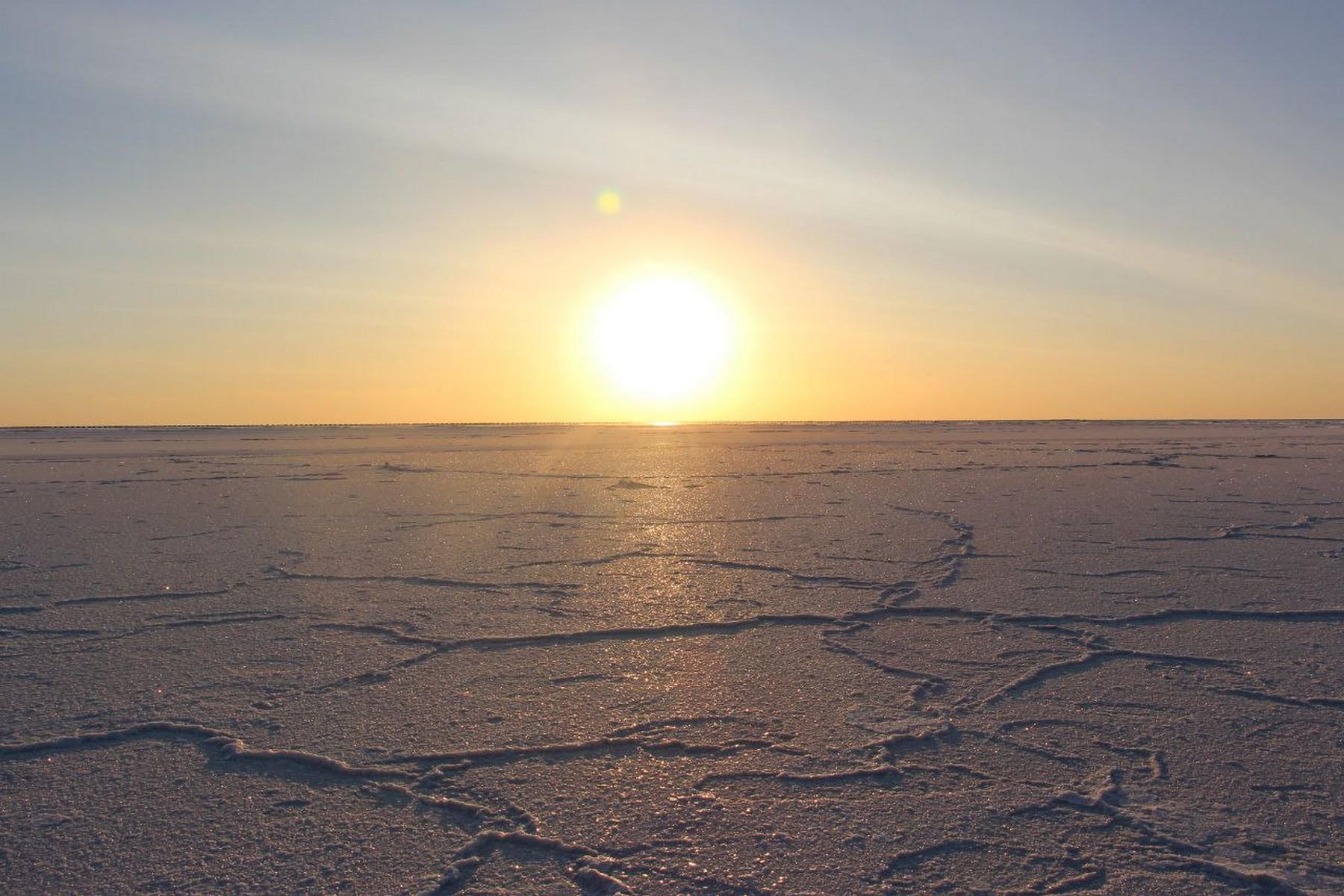
Arriving at the current coastline of the Aral Sea
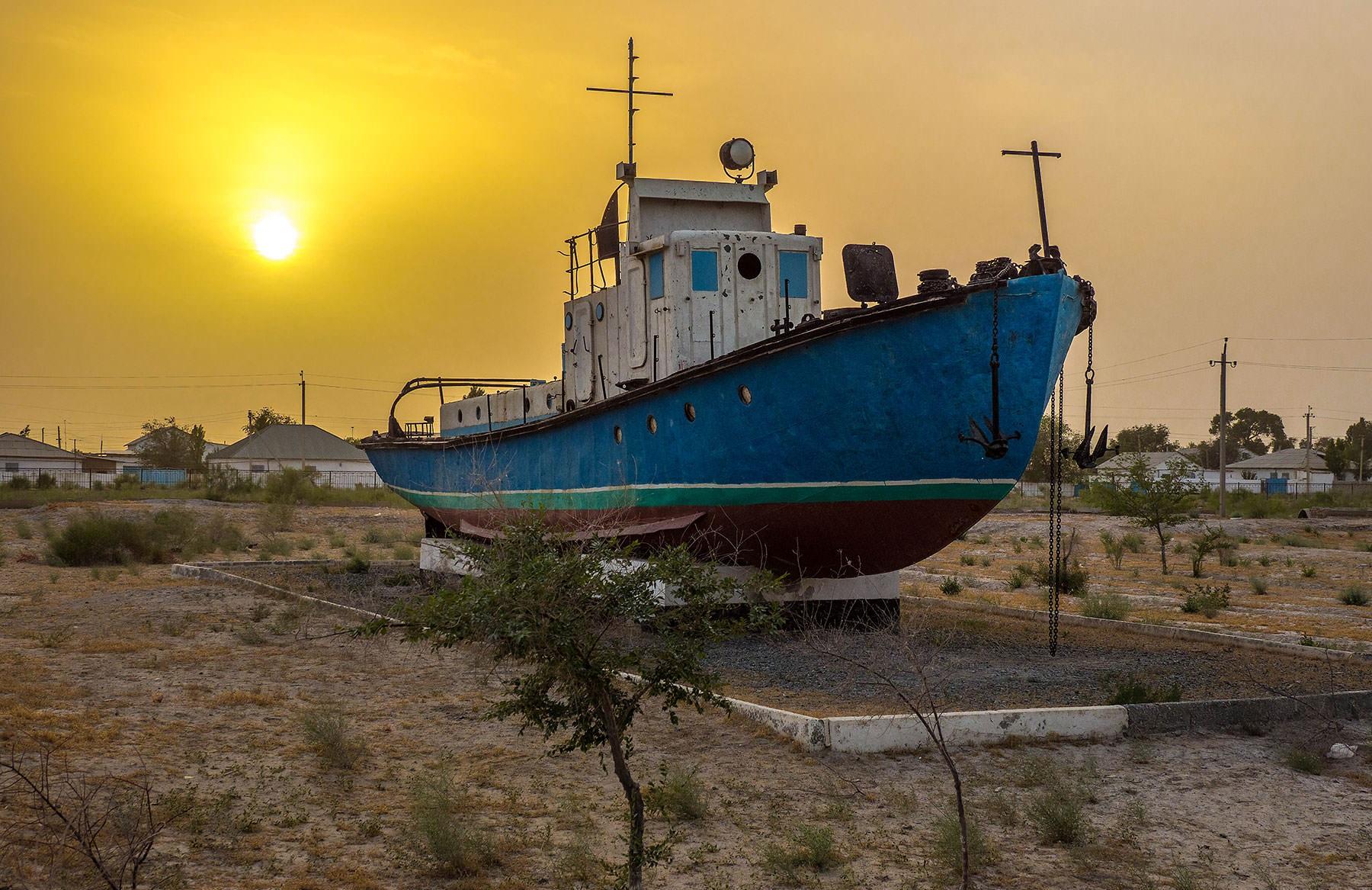
This site features several rusted fishing vessels stranded on the exposed seabed since the 1980s. It stands as a powerful reminder of the ecological changes in the region.
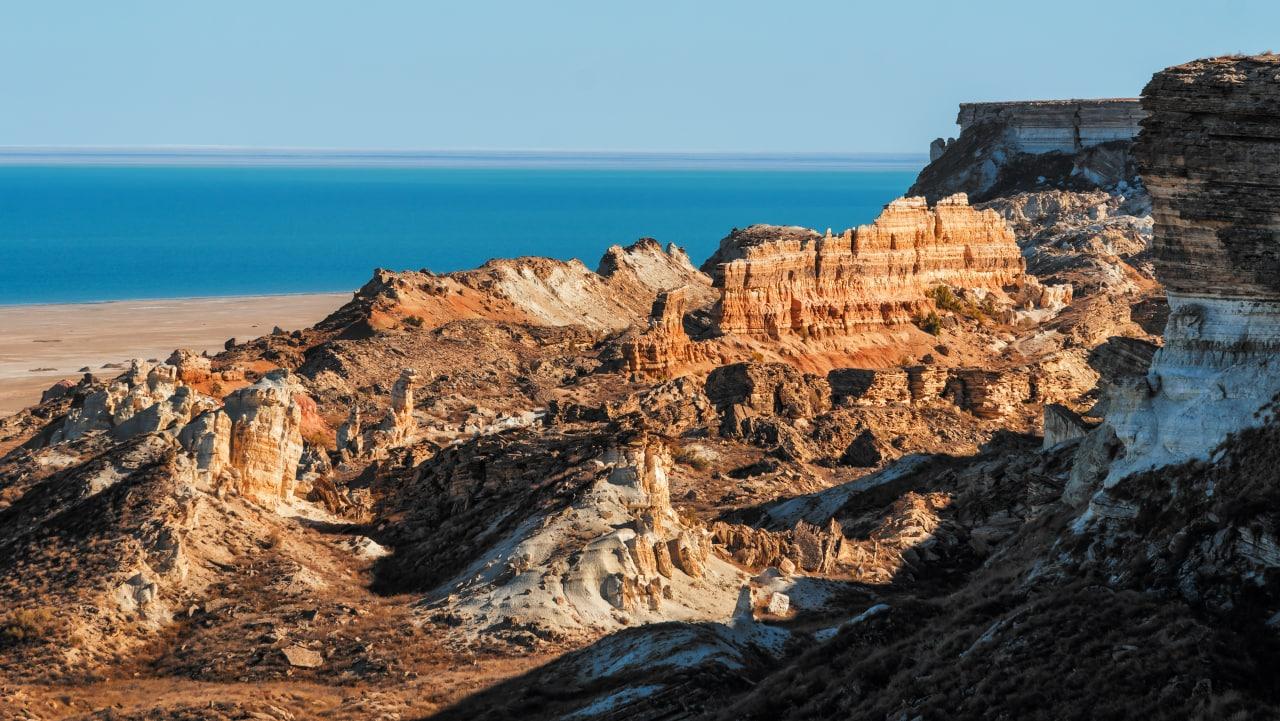
This vast limestone desert spans the distance between the Aral Sea and the Caspian Sea. The cliff formations offer expansive views of the lower seabed.
Located near the Aral Sea, this area is a significant stop for migratory birds and remains a vital wetland. The landscape features unique flora despite the harsh environment.
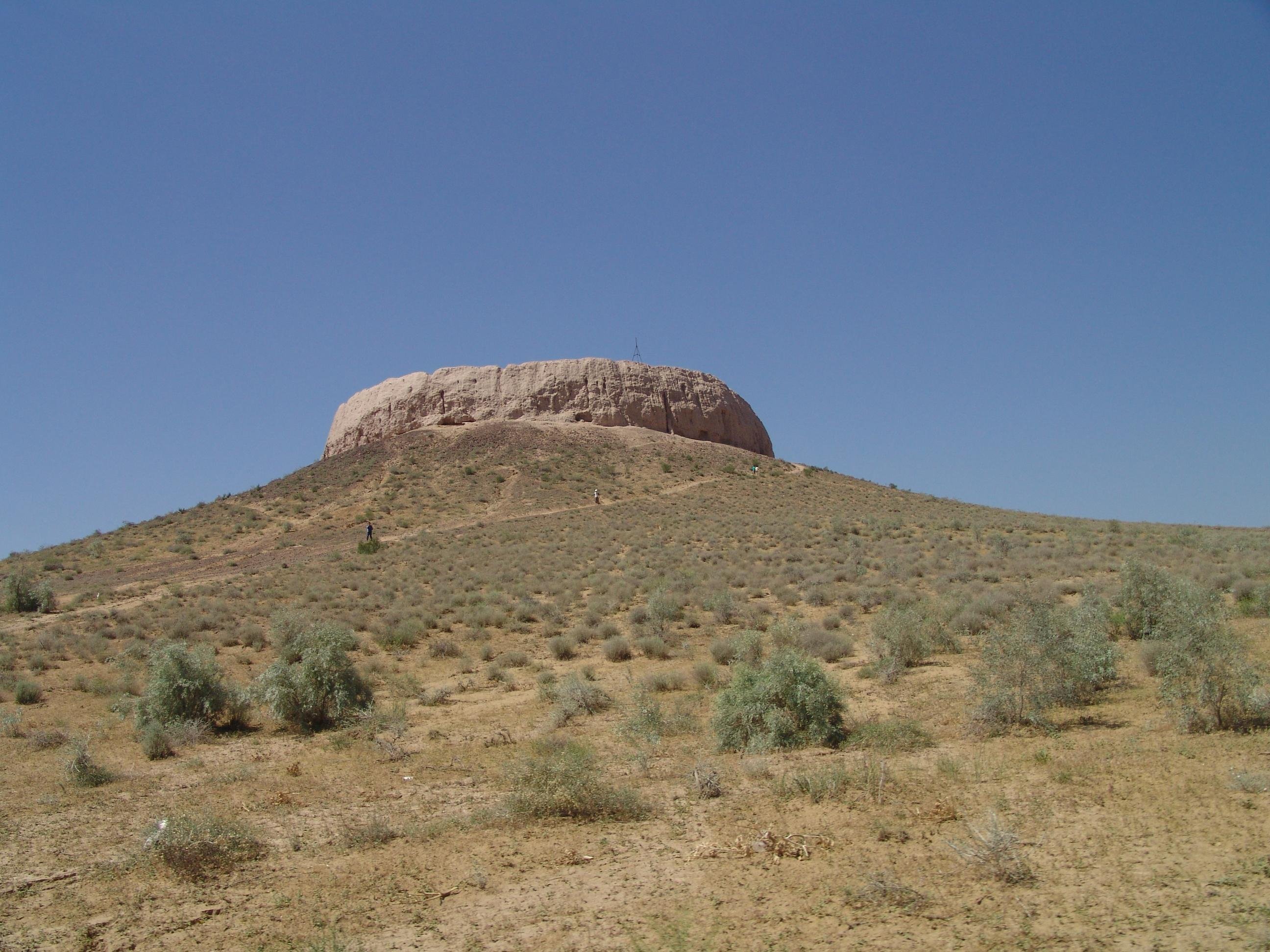
This ancient burial site near the Aral Sea contains layers of history spanning thousands of years. It is an essential cultural stop for those on a nukus to aral sea tour.
Built during the era when Muynak was a thriving fishing hub, the structure offers a perspective on the town's former maritime glory.
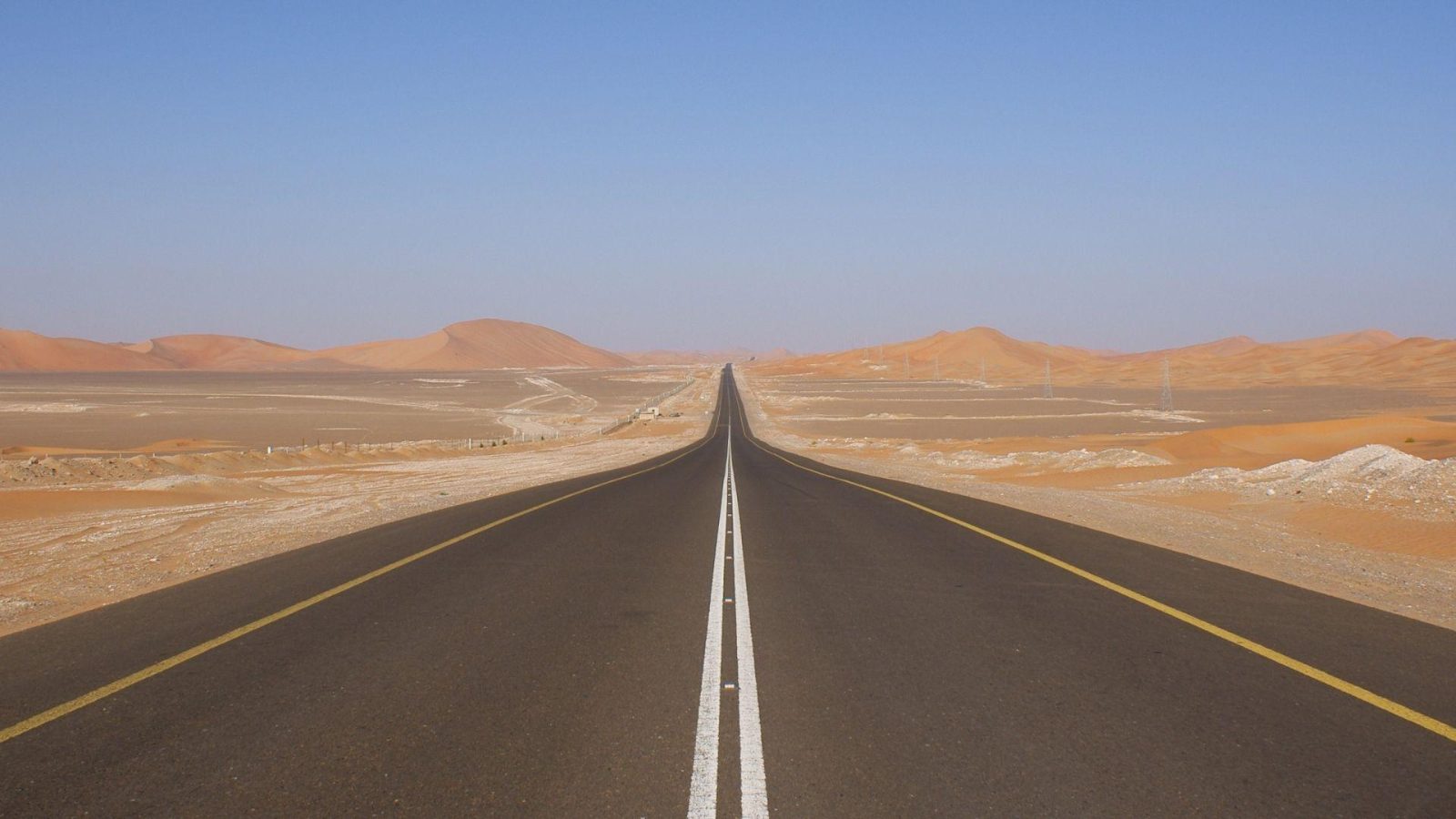
You leave Nukus in darkness, the city's low concrete skyline fading behind the headlights as the vehicle turns north onto the two-lane highway. Cotton fields line the route for the first hour, then the soil pales and the vegetation thins to thorn scrub and salt-tolerant grasses.
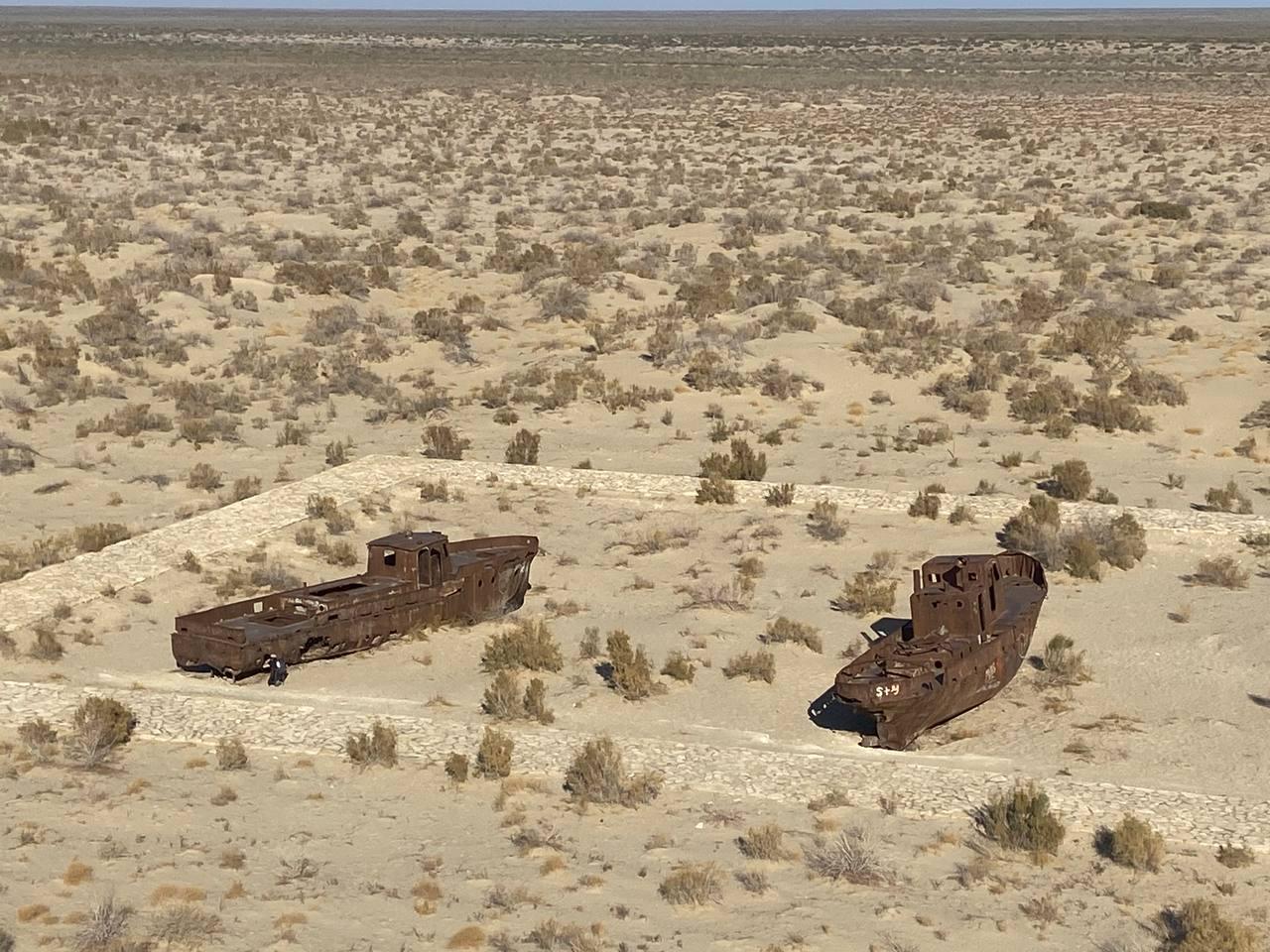
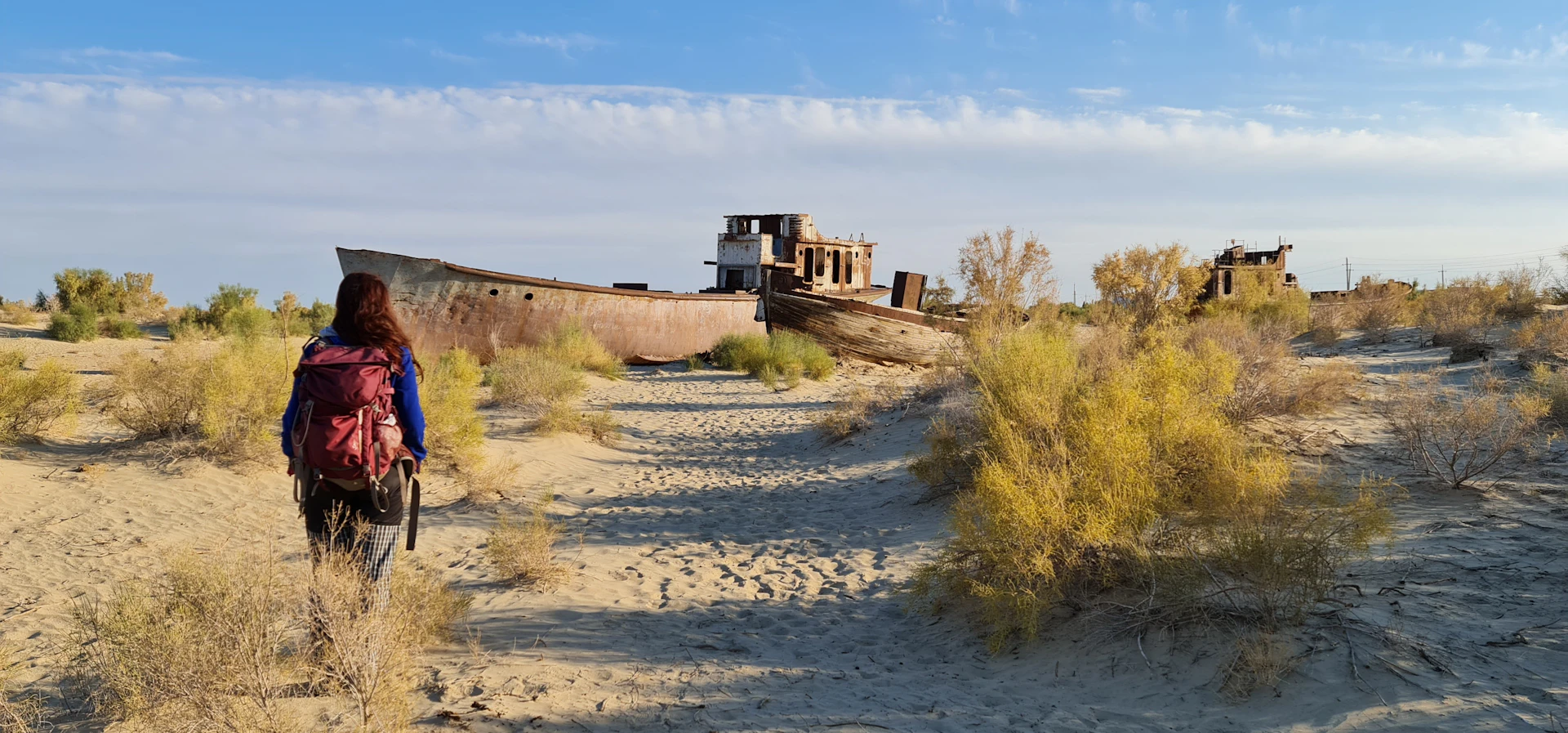
The road narrows and the asphalt cracks into gravel patches as you approach Moynaq, and by mid-morning the first ship appears—a trawler resting on its port side, hull plates flaking in the dry air. You step out onto the seabed, the surface hard beneath your boots, and walk among the wrecks. The vessels list at angles that defy balance, and you climb a ladder welded to one stern to stand on a deck that once swayed with the lake's current.
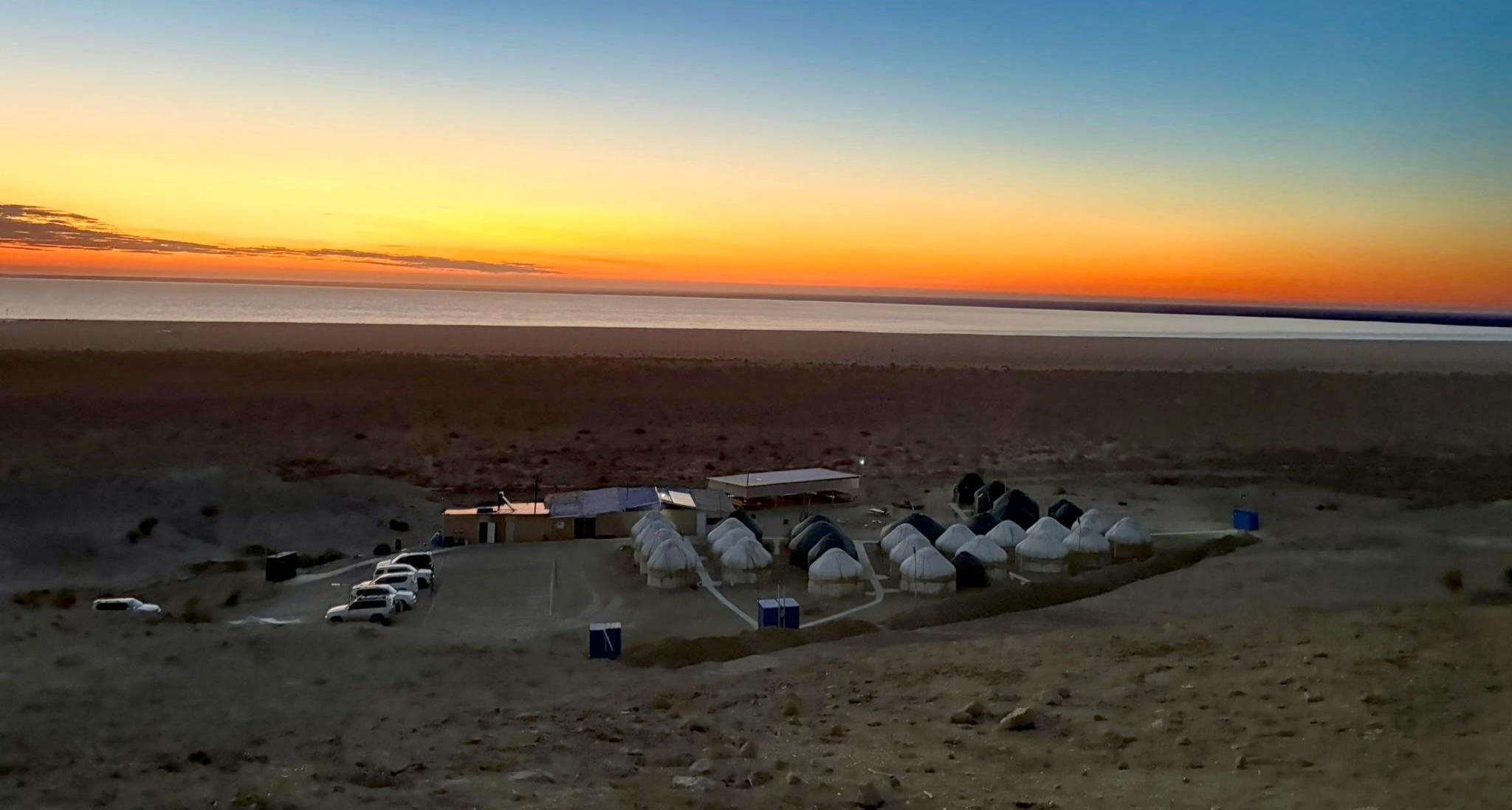
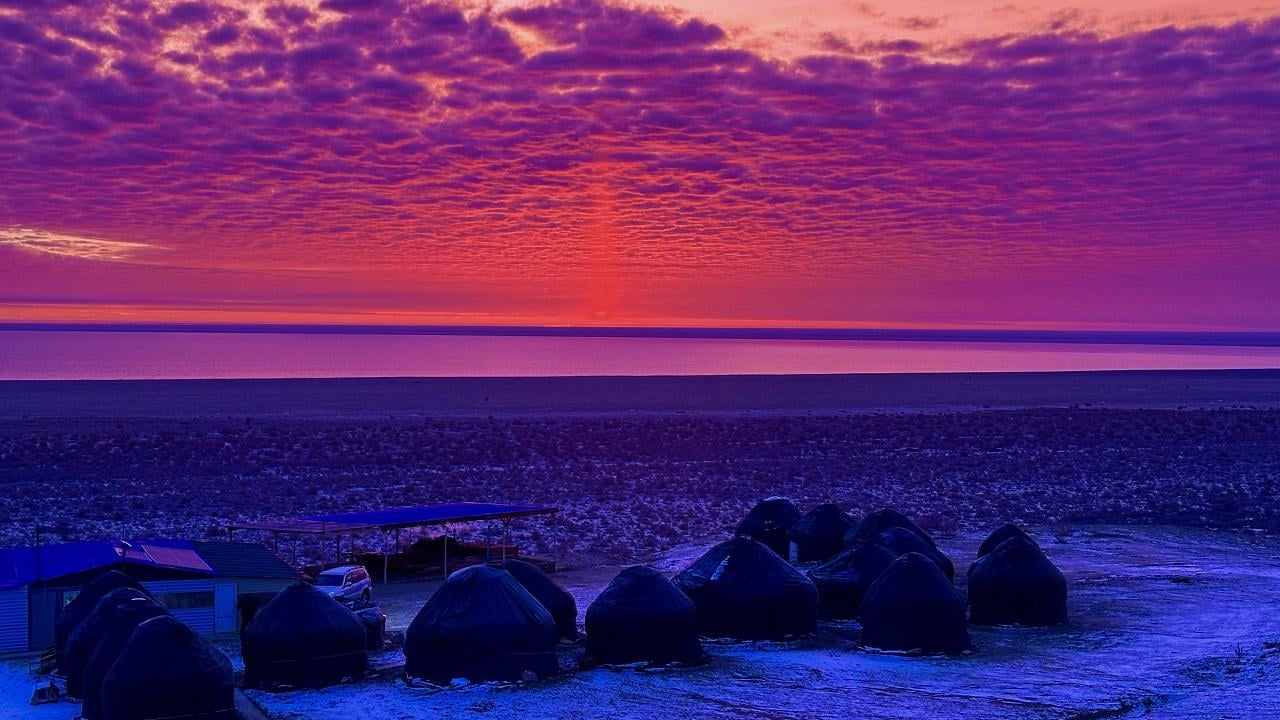
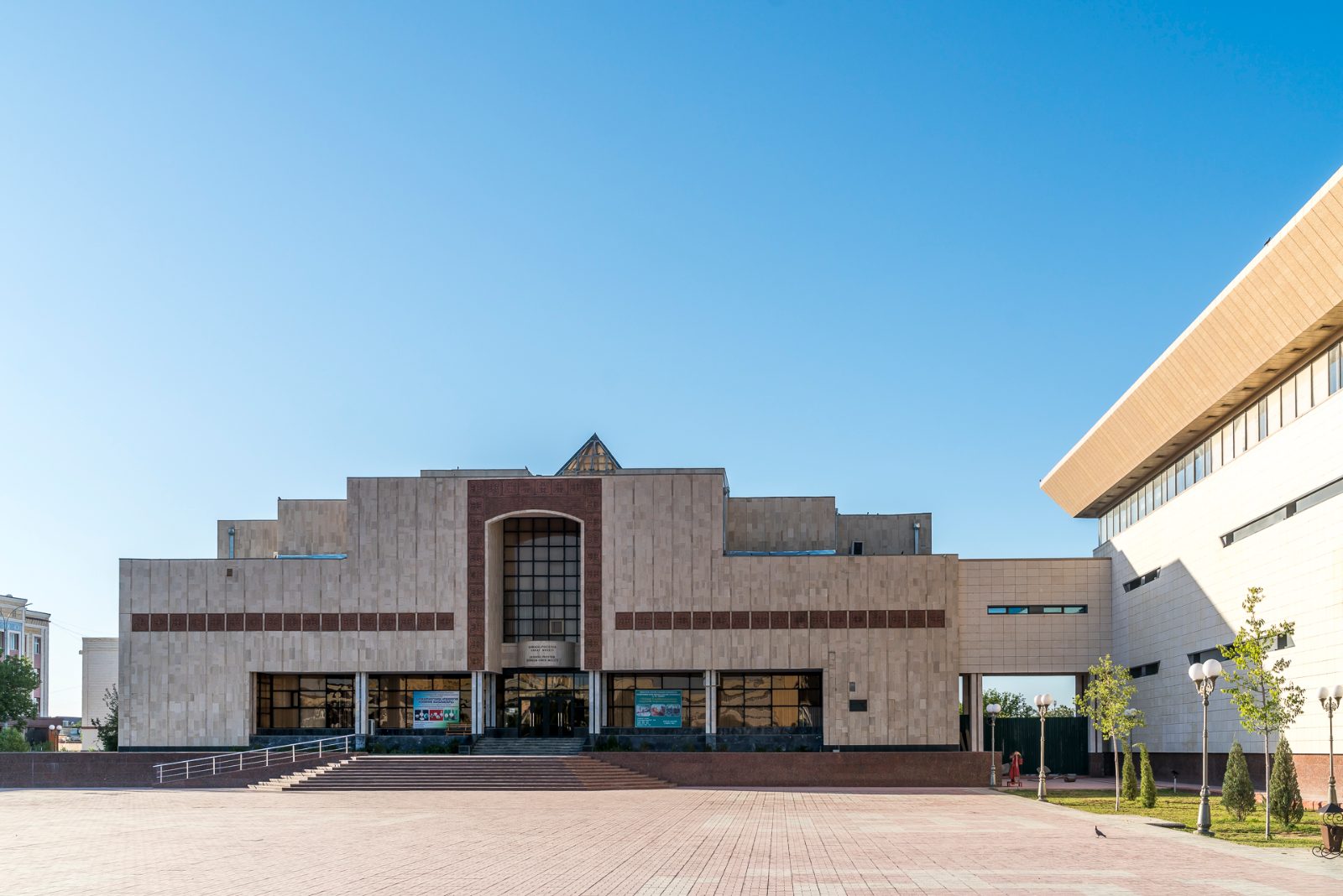
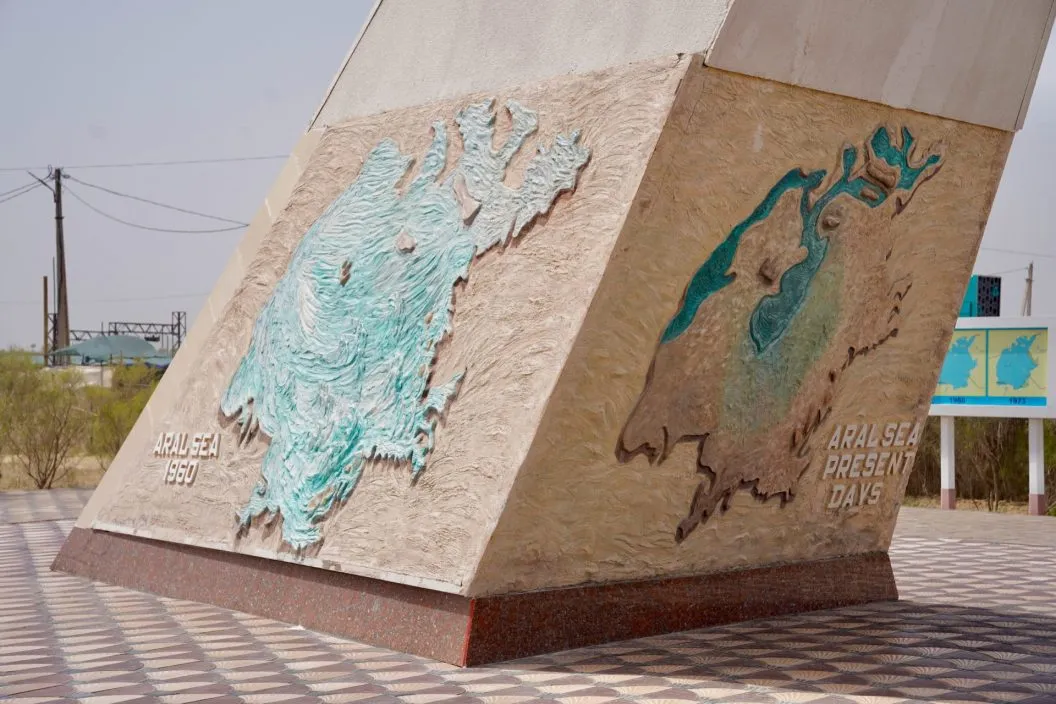
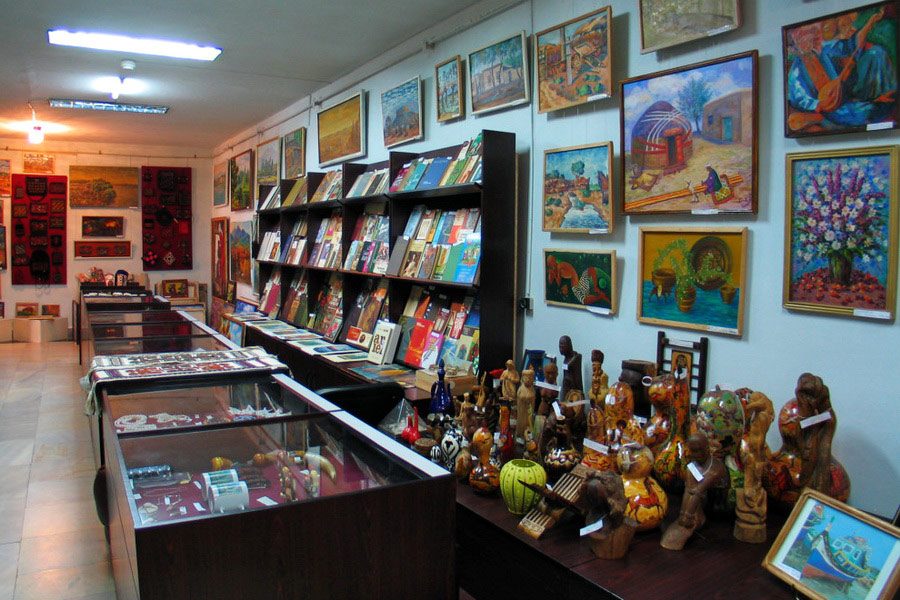
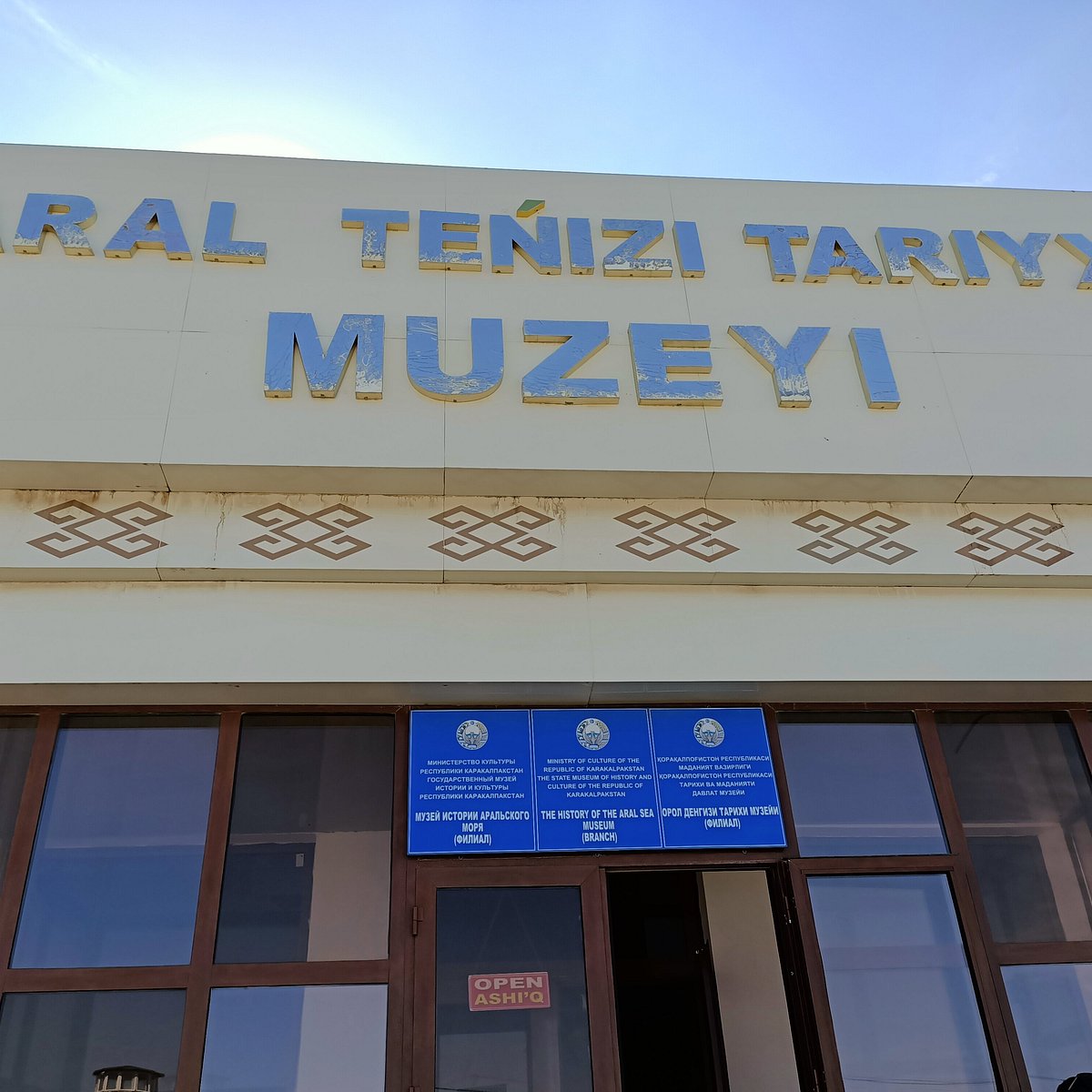
The museum occupies a low building at the edge of the former harbour, its walls hung with black-and-white prints of fishermen hauling nets and children wading in shallows. The curator points to a relief map showing the sea's retreat in ten-year intervals, the blue shrinking toward the centre. If you have booked a two-day Aral Sea expedition from Nukus, the vehicle continues north across the Ustyurt Plateau, the landscape flattening into a pale monotone broken only by clay gullies and distant escarpments. You reach the remnant water—a shallow, saline pool—by late afternoon, and the yurt camp materialises near the shore, felt walls taut against their lattice frames, smoke rising from a cook fire.
All the details about your upcoming adventure in one place
By 1960 the Aral Sea covered 68,000 square kilometres and ranked fourth among the world's lakes by surface area. Soviet irrigation projects diverted the Amu Darya and Syr Darya rivers into cotton fields across Uzbekistan and Kazakhstan, and within three decades the sea had surrendered ninety percent of its volume.
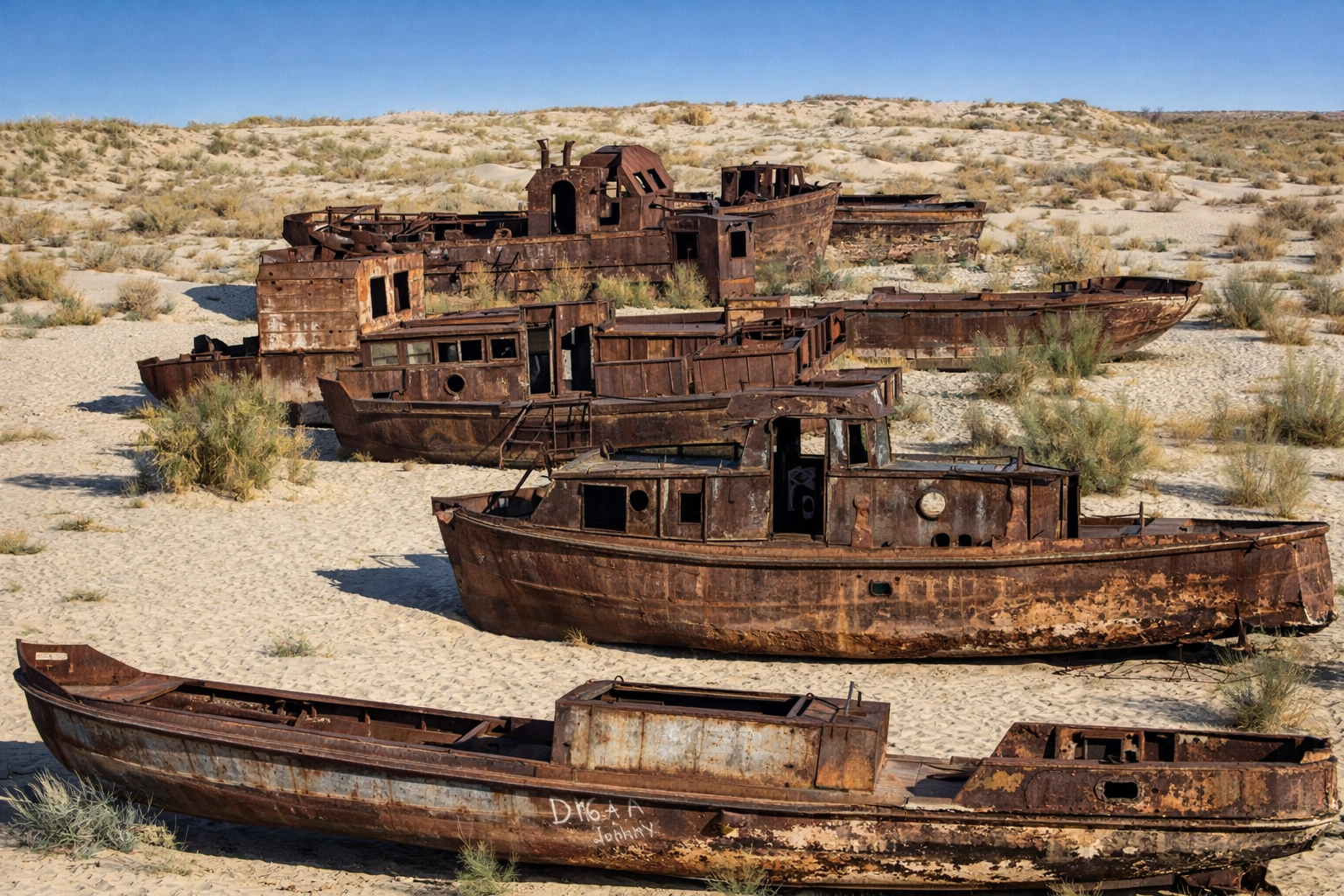
Fishing fleets that once netted 40,000 tonnes of sturgeon and carp each year found themselves stranded on salt flats 150 kilometres from the receding shore. The port of Moynaq—until 1970 a thriving harbour town of 30,000—watched the water vanish and its economy collapse. Today the rusted trawlers and cargo vessels rest on sand where waves once rolled, their hulls leaning at improbable angles, paint stripped by salt wind and relentless sun.
The exposed seabed stretches in every direction, a pale expanse of compacted silt and desiccated algae that crunches underfoot. Chemical residues from decades of agricultural runoff concentrate in the dust, and summer storms lift toxic particulates across the Ustyurt Plateau. The Savitsky Museum in Nukus holds one of Central Asia's foremost collections of Soviet-era avant-garde art, but the city also serves as the primary gateway for journeys to the former sea. Most Nukus to Aral Sea tour itineraries depart before dawn to reach Moynaq by mid-morning, when the angled light renders the ship graveyard in stark relief against the desert floor. Two-day expeditions push farther north to the remaining body of water—a shallow brine pool that persists near the Kazakh border—and overnight in yurts erected on the ancient lakebed.
The ship cemetery comprises approximately twenty vessels, their steel frames corroded to lattices of rust. Fishing trawlers dominate the site, though a handful of smaller cargo craft and patrol boats lie scattered among them. Visitors climb into open holds and across tilted decks, and the interiors—once cramped with nets and refrigeration units—now fill with windblown sand. A small museum in Moynaq displays Soviet-era photographs of the harbour in its productive years, catches being unloaded onto crowded piers, and children swimming in water that has not returned. Conservation fees fund the museum's operations and modest efforts to stabilise the most photographed wrecks. The journey from Nukus crosses 200 kilometres of scrubland and cotton fields, the road deteriorating as it approaches the former coast, and the final stretch runs along a ridge where the shoreline once lapped. The exposed seabed extends to the horizon, broken only by the skeletal vessels that mark the catastrophe's scale.
By 1960 the Aral Sea ranked fourth among the world's lakes; within three decades it had surrendered ninety percent of its volume.
Wear loose, breathable clothing that provides maximum sun protection. A wide-brimmed hat and sunglasses are essential for the nukus to aral sea tour.
Travel with soft-sided gear bags that fit securely inside 4x4 vehicles. Keep valuables and essential documents on your person at all times during the nukus to aral sea tour.
The vast, empty landscape of the former seabed provides unique lighting for desert photography. Ensure you have extra memory cards for your nukus to aral sea tour.
The nukus to aral sea tour involves long hours in a vehicle and extreme heat, which may be challenging for small children. Ensure family members are well-hydrated throughout the day.
The terrain at the Aral Sea is rugged and unpaved, making standard wheelchair access impossible. Please inform your operator of physical limitations before booking your nukus to aral sea tour.
Carry at least three liters of drinking water per person for the journey. Pack high-energy snacks as formal dining facilities are non-existent on the seabed.
Opening Hours
09:00–18:00
Address
Moynaq, Karakalpakstan, Uzbekistan
Accessibility
Remote desert terrain with limited infrastructure
Best arrival window
09:00–11:00
Navigation
Off-road GPS required for Aral Sea expeditions
Car · 5-7 hours · Varies by group size
Most visitors use private 4x4 vehicles booked through local agencies for a safe nukus to aral sea tour.
Public transport · 6-8 hours · Budget friendly
Buses exist to Muynak, but they do not provide access to the remote Aral Sea shoreline.
Cancellations made within 48 hours of departure are non-refundable. The 30,000 UZS conservation or museum fee for foreign visitors is included in the initial booking cost.
Recommended time
2 days
A proper nukus to aral sea tour requires two full days to accommodate the vast travel distances across the Karakalpakstan plateau. Visitors should prioritize the best arrival window of 09:00–11:00 to navigate the exposed former seabed while avoiding the most intense heat. When booking your Nukus to Aral Sea tour tours, ensure your schedule allows for at least 30,000 UZS for the conservation fee. Most travelers find that securing nukus to aral sea tour tickets in advance helps maintain a steady pace, as crowd levels remain relatively low and dispersed across this expansive desert landscape throughout the operational hours of 09:00–18:00.
Crowd levels through the day
Weather · crowds · average price — dots go green to amber to red as each metric rises.
Mild temperatures allow for comfortable exploration of the seabed before the summer heat.
Expect very high temperatures; ensure your tour operator uses air-conditioned 4x4 vehicles.
Cooler winds and clear skies make this an ideal time for a nukus to aral sea tour.
Extreme cold and snow make access to the remote shoreline very difficult and potentially dangerous.
Drink water consistently even if you do not feel thirsty, as the dry air causes rapid dehydration. Keep your water supply in the shade at all times.
Verify that your nukus to aral sea tour operator provides a vehicle equipped with GPS and two spare tires. Road conditions on the plateau are unpredictable.
Keep a scarf handy to cover your mouth and nose when traversing sandy areas on the seabed. This protects against blowing salt and dust particles.
When visiting the remote regions of Karakalpakstan, dress modestly to respect local customs. Always ask permission before photographing residents.
Carry a bag to store all your trash, as there are no waste disposal facilities in the desert environment. Leave the landscape as you found it.
The Aral Sea once ranked as the world's fourth-largest lake, spanning 68,000 square kilometers between Kazakhstan and Uzbekistan. Fed by the Amu Darya and Syr Darya rivers, it sustained fishing communities for centuries. Moynaq thrived as a bustling port town with a population of 60,000, anchored by a cannery that processed 20,000 tonnes of fish annually. Soviet planners viewed the sea as expendable. In 1960, Moscow launched an irrigation scheme to transform Central Asian deserts into cotton fields. Engineers diverted the Amu Darya and Syr Darya into a network of canals, draining the tributaries that fed the Aral Sea. Within a decade, the shoreline began retreating from Moynaq. By 1987, the sea had split into the North Aral and South Aral basins. Moynaq's harbor lay 150 kilometers from open water. Rusting trawlers sat stranded on hardpan where waves once lapped. The fishing industry collapsed. Salinity tripled, killing endemic species. Toxic dust from exposed seabeds—laden with pesticide residue—swept across the region, raising respiratory illness rates. The nukus to aral sea tour now follows the road from Karakalpakstan's regional capital to this ship graveyard, retracing the path once traveled by fishing fleets. The South Aral Sea continued to fragment through the 1990s and early 2000s, shrinking to less than 10 percent of its 1960 extent. In 2005, Kazakhstan completed the Kok-Aral Dam to stabilize the North Aral Sea, successfully raising water levels by several meters. The southern basin received no such intervention. By 2014, the eastern lobe of the South Aral Sea had evaporated entirely. Moynaq became a monument to ecological catastrophe. The ship graveyard—a cluster of decaying vessels half-buried in sand—draws visitors on nukus to aral sea tour tours seeking tangible evidence of the disaster. A small museum opened in Moynaq in 2008, displaying photographs of the vanished sea and artifacts from the fishing era. The site serves as a stark reminder of irrigation policy's long-term consequences.
The Aral Sea covers 68,000 square kilometers, supporting a thriving fishing industry in Moynaq with annual catches exceeding 40,000 tonnes.
Soviet irrigation projects divert the Amu Darya and Syr Darya rivers into cotton fields, cutting the Aral Sea's primary water sources.
The Aral Sea splits into separate North and South basins as water levels plummet and salinity triples.
Moynaq's harbor sits 150 kilometers from the receding shoreline; the fishing fleet is abandoned on exposed seabed.
Kazakhstan completes the Kok-Aral Dam to stabilize the North Aral Sea, but the South Aral continues to shrink.
A museum opens in Moynaq, preserving photographs and relics of the vanished sea and its fishing communities.
The eastern lobe of the South Aral Sea evaporates completely, leaving only scattered pools in the western basin.
Position yourself directly in front of the rusted vessel hulls on the exposed seabed to capture the scale of these remnants against the desert horizon. This is a primary stop on any nukus to aral sea tour where the metal textures contrast sharply with the sand.
Stand at the elevated platform near the lighthouse to gain a wide-angle perspective of the former port town and the vast, dry basin beyond. This vantage point provides an excellent overview of the landscape that the Moynaq ship graveyard tours explore.
Locate the cliff edge overlooking the retreating water to photograph the dramatic limestone formations and the stark transition from plateau to salt flats. Use a tripod here to stabilize shots during the windier periods of your Aral Sea excursion.
Find the symbolic monuments placed at the edge of the town that indicate where the water level once reached before the ecological change. This site provides historical context for those purchasing nukus to aral sea tour tickets to document the environmental shift.
Exploring the former seabed during a nukus to aral sea tour requires careful preparation, as the remote Karakalpakstan landscape offers limited infrastructure for young children. Families should prioritize comfort and hydration while navigating the exposed terrain of the Moynaq ship cemetery.
The rugged, sandy landscape and rocky desert paths make strollers entirely impractical, so parents should use a reliable baby carrier for infants and toddlers.
This destination is better suited for older children and teenagers who can handle long travel times and limited shade during a nukus to aral sea tour tour.
There are no baby-change facilities or specialized family services at the Moynaq site, so please arrive fully prepared with all necessary supplies.
To manage the heat, prioritize the best arrival window of 09:00–11:00, which allows families to explore the rusted ship hulls before the afternoon sun intensifies.
The area features sharp metal remains and uneven ground, necessitating close supervision at all times to avoid injuries while checking nukus to aral sea tour tickets.
Ensure your group has sufficient water and sun protection, as the arid desert environment offers minimal shelter for families booking these nukus to aral sea tour tours.
Dining options are extremely limited in Moynaq, the typical final stop for a nukus to aral sea tour, making it essential to coordinate meal plans with your transport provider. Most travelers rely on packed supplies for the remote desert transit, as local amenities are sparse and not always equipped to serve large groups.
Located within the town, this spot serves traditional Karakalpak dishes like beshbarmak and shorpa. It is a common choice for groups booking nukus to aral sea tour tours to refuel after exploring the ship graveyard.
Everything you need to know for your journey
The best time to visit is during the spring or autumn months when temperatures are moderate. Avoid visiting during the peak summer heat unless you are well-prepared.
A standard trip usually takes two days, though some travelers choose a single-day nukus to aral sea tour that lasts 5-7 hours of driving each way.
Yes, the 30,000 UZS conservation or museum fee for foreign visitors is required for access to protected sites near the Aral Sea.
Tickets can be secured through authorized local operators that organize each nukus to aral sea tour.
Yes, though the environment is harsh and we recommend the nukus to aral sea tour for older children only.
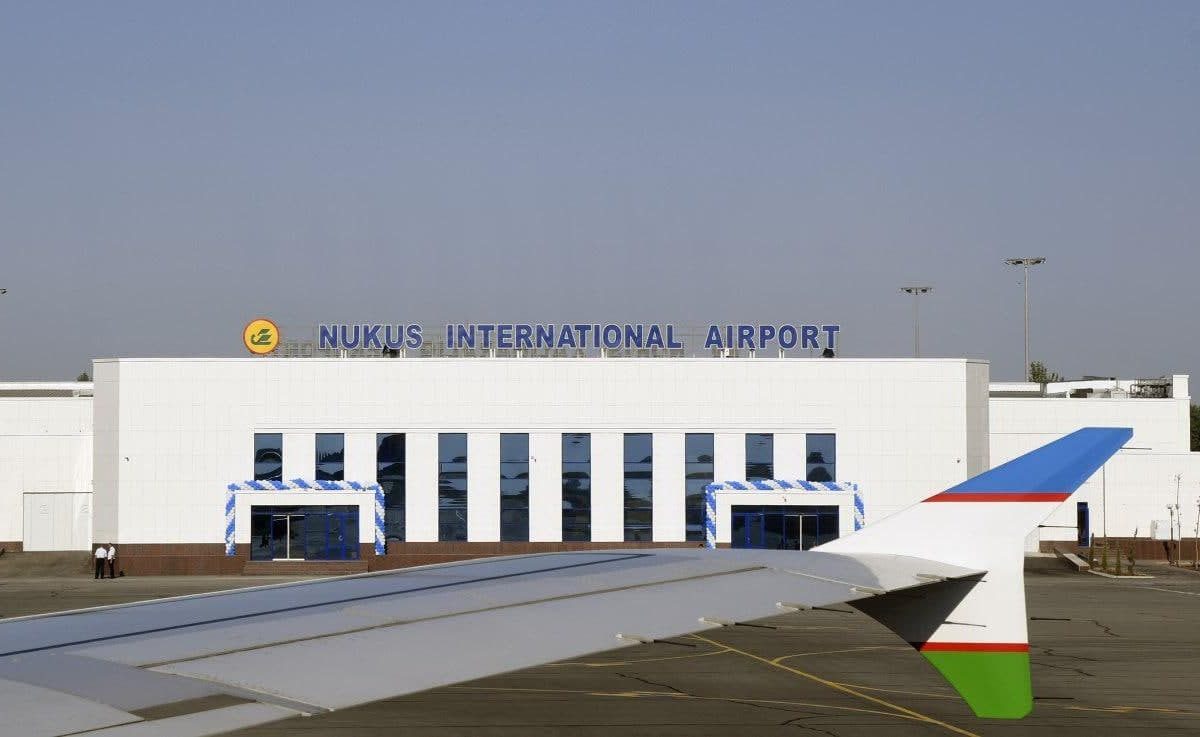
Most tours depart from central locations in Nukus, which is accessible via domestic flights and train connections.
Wear loose, long-sleeved clothing to protect against the sun during your nukus to aral sea tour.
Most tours do not include all meals, so confirm your specific booking details regarding provisions for your nukus to aral sea tour.
Photography is encouraged, especially at the famous ship graveyard landmarks found on the nukus to aral sea tour.
Cancellations within 48 hours of your nukus to aral sea tour departure are generally non-refundable.
Houses a vast collection of Russian avant-garde art and Karakalpak folk artifacts.
A historic structure overlooking the former port area of the Aral Sea.
Details the ecological history of the Aral Sea disaster.
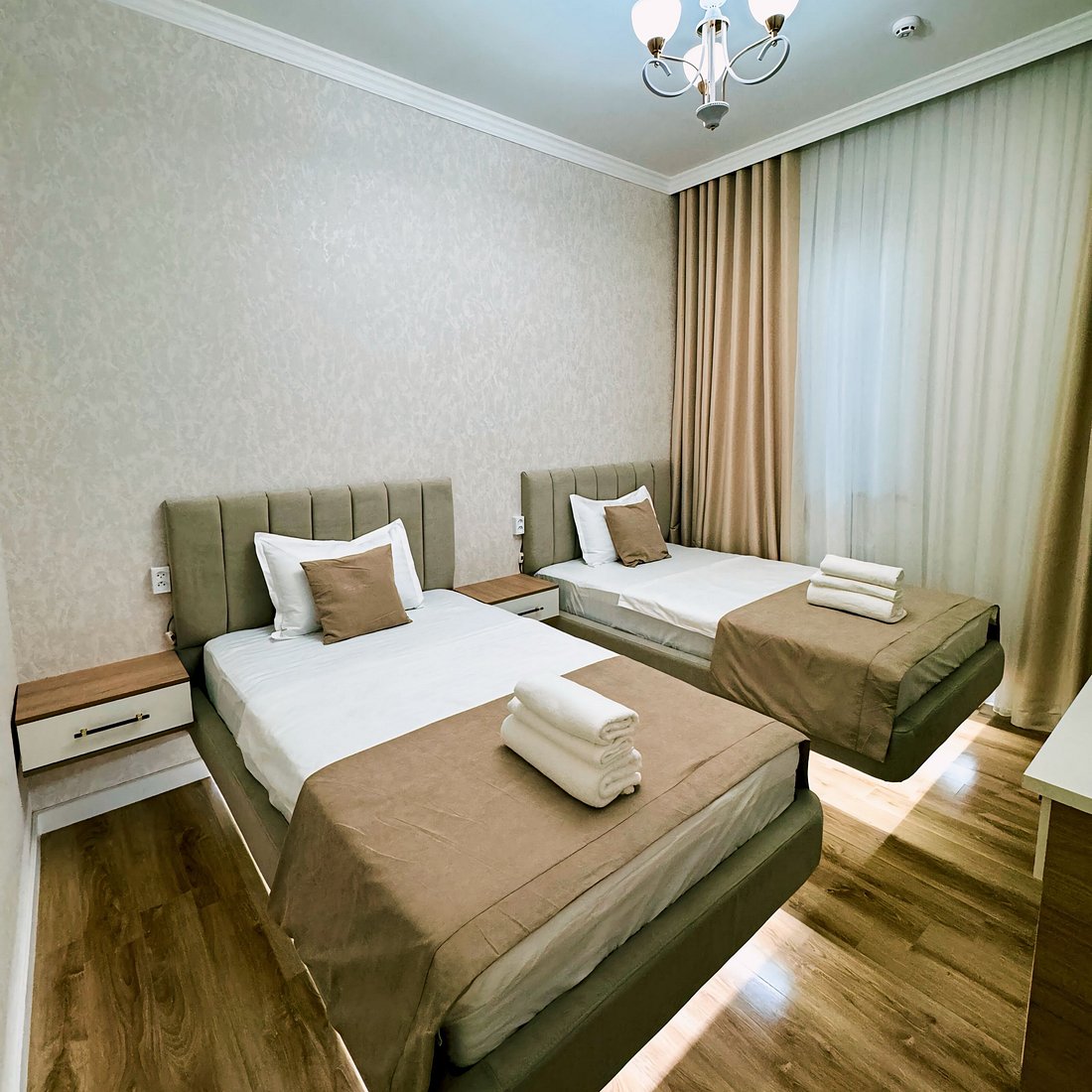
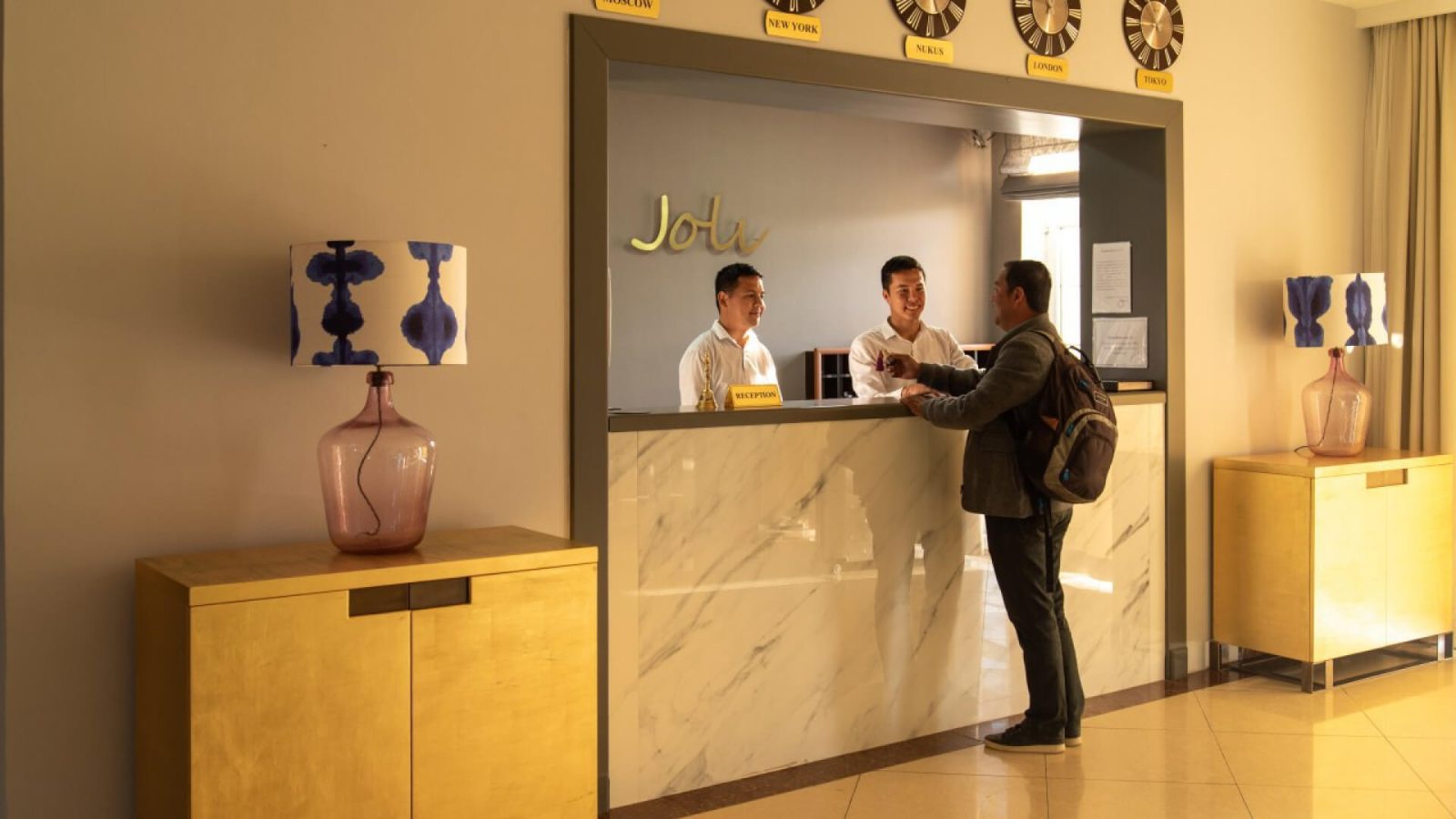
Standard amenities located in the center of Nukus.
Authentic desert stay near the former coastline.
A popular choice for travelers preparing for a nukus to aral sea tour.
Join thousands of happy travelers who have discovered this incredible experience
Book Your Experience Now