6 hr
Muynak Ship Graveyard & Aral Sea Heritage Tour
- Expert local guide
- Small group
- Skip-the-line access
- Free cancellation
Aral Sea Day Trip from Nukus — Ship Graveyard & Heritage Expeditions
Where fishing boats rest in desert sand, a sea's memory endures
Compare fares, pick the fit — all bookings are mobile-voucher and eligible for free cancellation where shown.
6 hr
3 hr
48 hr
| Experience | Duration | Rating | Transfers | Pickup | Skip-the-line | Free cancel. | Price | |
|---|---|---|---|---|---|---|---|---|
|
Guided Experience
Most popular
Muynak Ship Graveyard & Aral Sea Heritage Tour
|
6 hr | ★ 4.3 | ✓ | ✓ | ✓ | ✓ | €112 | Book → |
|
Standard Entry
Nukus to Khiva Transfer with Chilpik Fortress Stop
|
3 hr | ★ 4.8 | ✓ | ✓ | — | ✓ | €95 | Book → |
|
Guided Experience
Aral Sea Expedition with Yurt Camp & Ship Graveyard
|
48 hr | ★ 4.6 | — | ✓ | ✓ | ✓ | €587 | Book → |
Worth it for history buffs and environmental pilgrims
An Aral Sea day trip from Nukus delivers something raw and singular: the rusting hulls of fishing vessels stranded in desert sand, miles from any shoreline. The Muynak ship graveyard stands as tangible proof of one of the century's most dramatic environmental collapses, and the on-site museum (30,000 UZS entry) fills in the human cost through photographs and local testimony. Expedition tours push further to the receding shoreline itself, revealing salt flats where waves once rolled. The value hinges on your tolerance for stark landscapes and historical gravity over conventional sightseeing—there are no bustling markets or Instagram backdrops, just the skeletal remains of Soviet-era trawlers and the weight of ecological disaster. For travelers drawn to Karakalpakstan's remoteness and the ship graveyard's haunting symbolism, the journey justifies the drive. If you prefer lush scenery or quick photo stops, the arid expanse and long transfer times will feel punishing.
Bottom line: The aral sea day trip from nukus rewards curiosity about ecological collapse with a landscape that refuses to let you forget it.
The aral sea day trip from nukus tours provide a comprehensive landscape experience, whereas a visit to the local museum serves as a vital historical supplement. Many travelers who book an aral sea day trip from nukus tour find that the museum offers essential context to the surrounding desert tragedy.
|
Top pick Aral Sea Day Trip |
Muynak Museum | |
|---|---|---|
| Focus | Expansive desert and ship graveyard exploration | |
| Duration | 10–12 hours (full day) | |
| Transport | 4x4 off-road vehicle required | |
| Accessibility | High intensity/remote terrain | |
| Entrance fee | Varies by operator | |
| Opening hours | 09:00–17:00 (optimal window) | |
| Best for | Adventure seekers and photographers | |
| See tickets & prices |
Verdict: If you prioritize deep immersion in the Aral Sea disaster landscape, the full-day expedition is superior, though pairing it with the museum using your aral sea day trip from nukus tickets ensures you do not miss the region's poignant history.
Hand-picked experiences loved by thousands of travelers
14 hours
Free Cancellation
Witness the haunting remnants of a vanished sea and explore the desert that replaced it
1.5 days
Free Cancellation
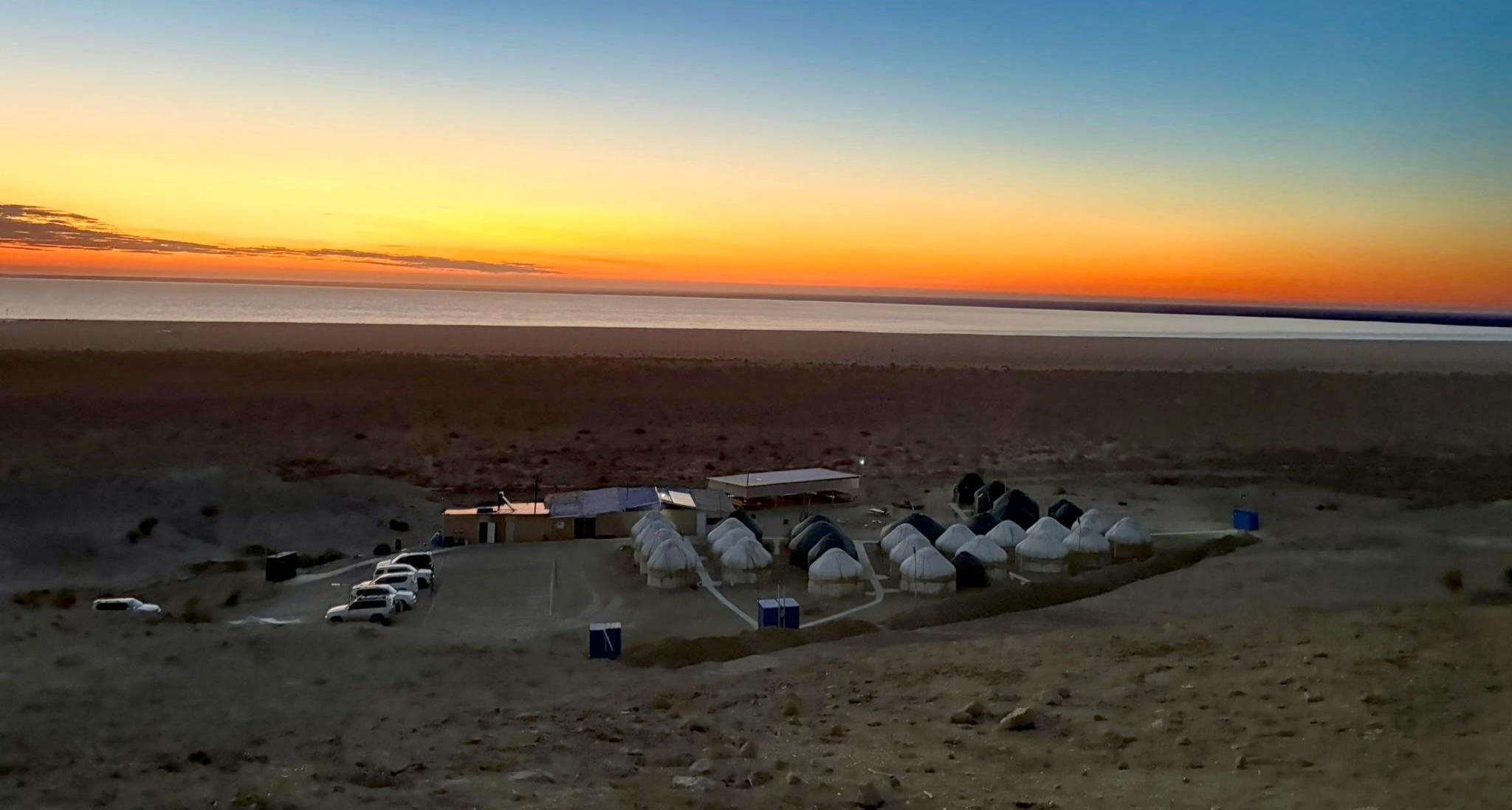
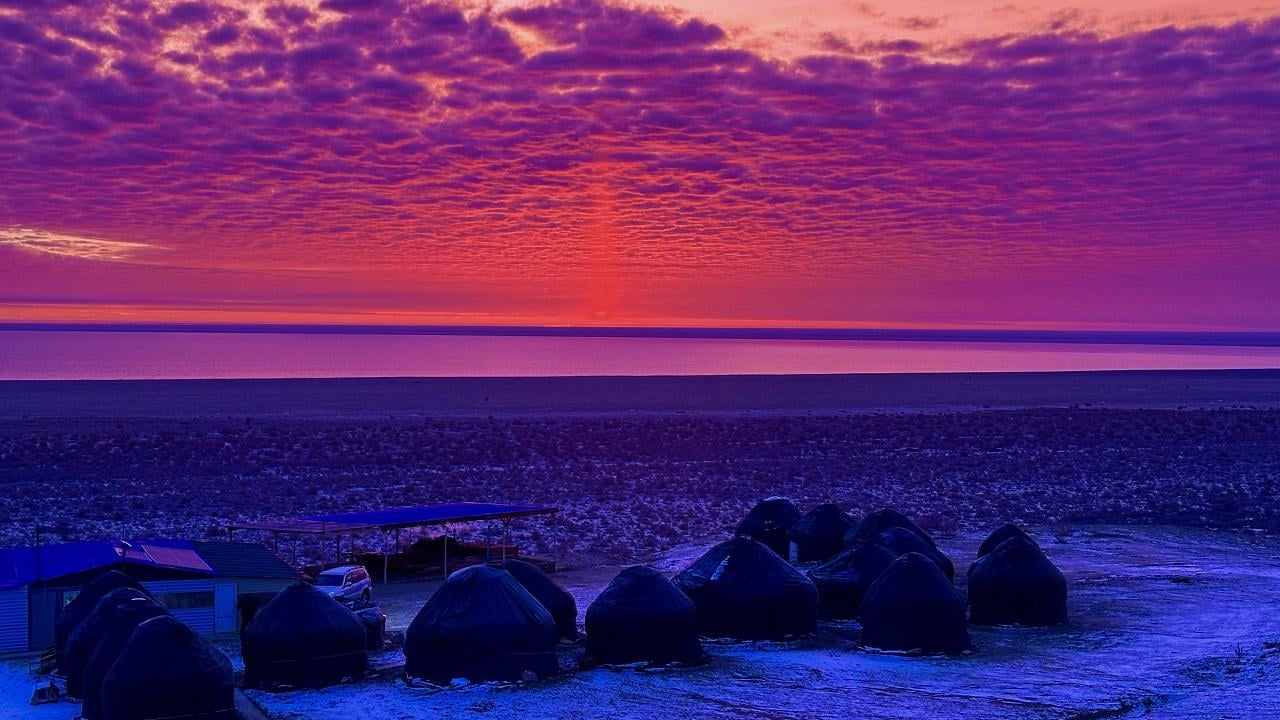
Journey across the Ustyurt Plateau to the vanished shores of the Aral Sea with overnight yurt stay
16 hours
Free Cancellation
Journey across the desert to witness the haunting ship cemetery and explore Soviet avant-garde art
7 hours
Free Cancellation
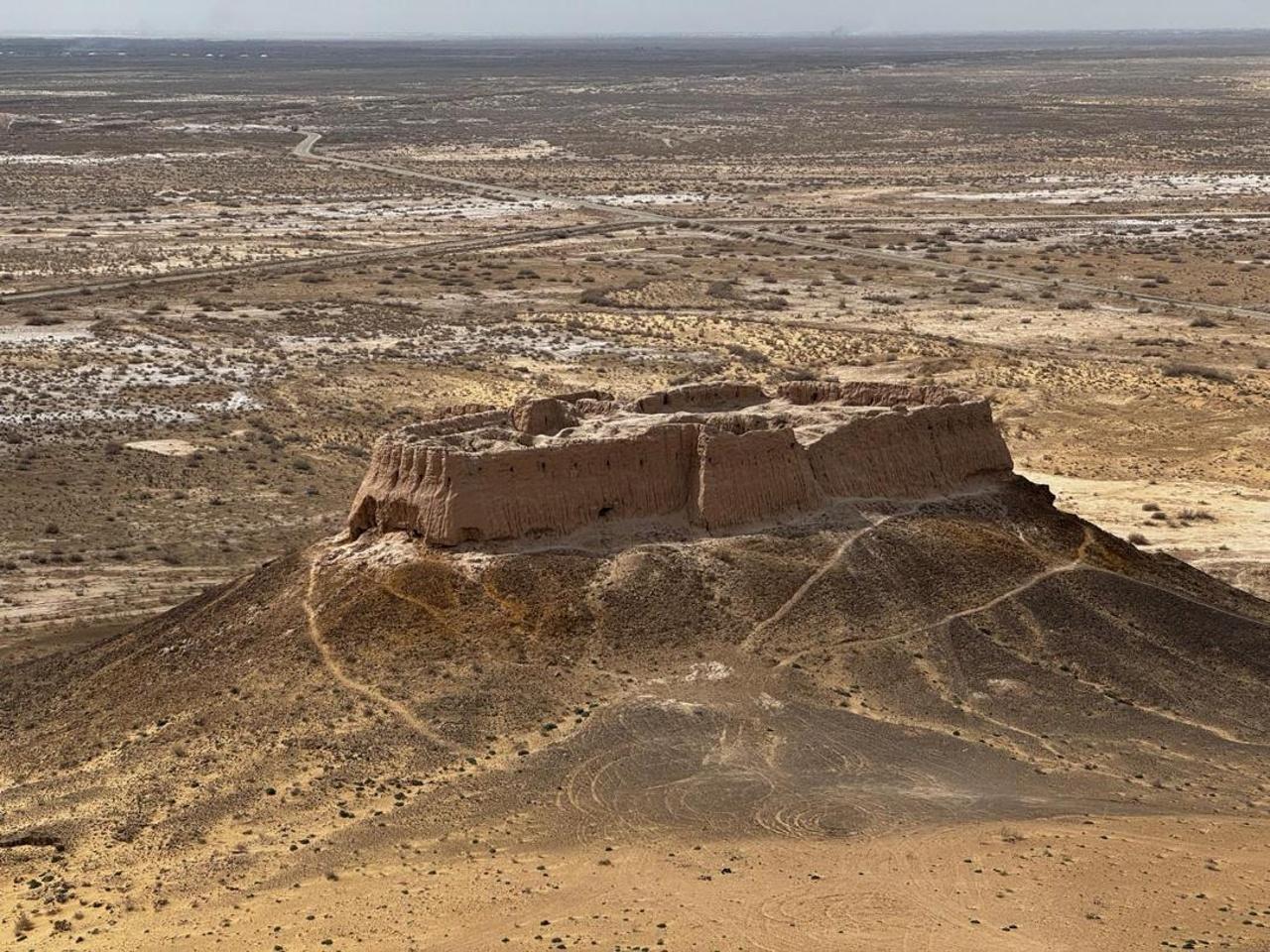
Turn your transfer into an adventure through Khorezm's desert citadels and Zoroastrian ruins
1 day
Free Cancellation
Journey through Khorezm's legendary ruins, swim in a turquoise desert lake, and ride camels at sunset
2 days
Free Cancellation
Journey across the vanishing Aral Sea, sleep in a traditional yurt, and explore remote desert landscapes.
4 hours
Free Cancellation
Journey across western Uzbekistan with stops at cotton fields, melon tastings, and a dramatic Zoroastrian fortress
Travel north via 4WD vehicle through the desert landscapes.
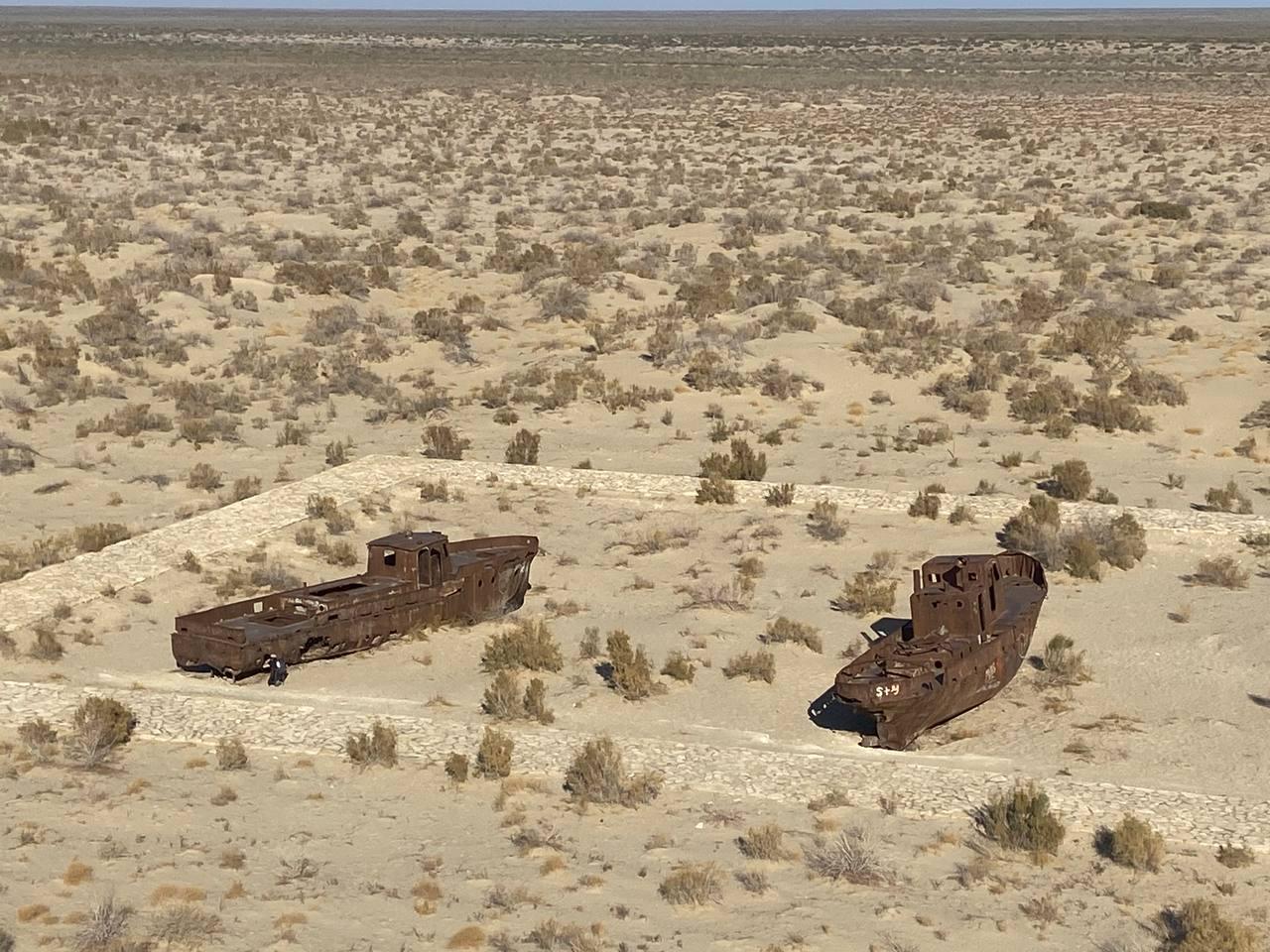
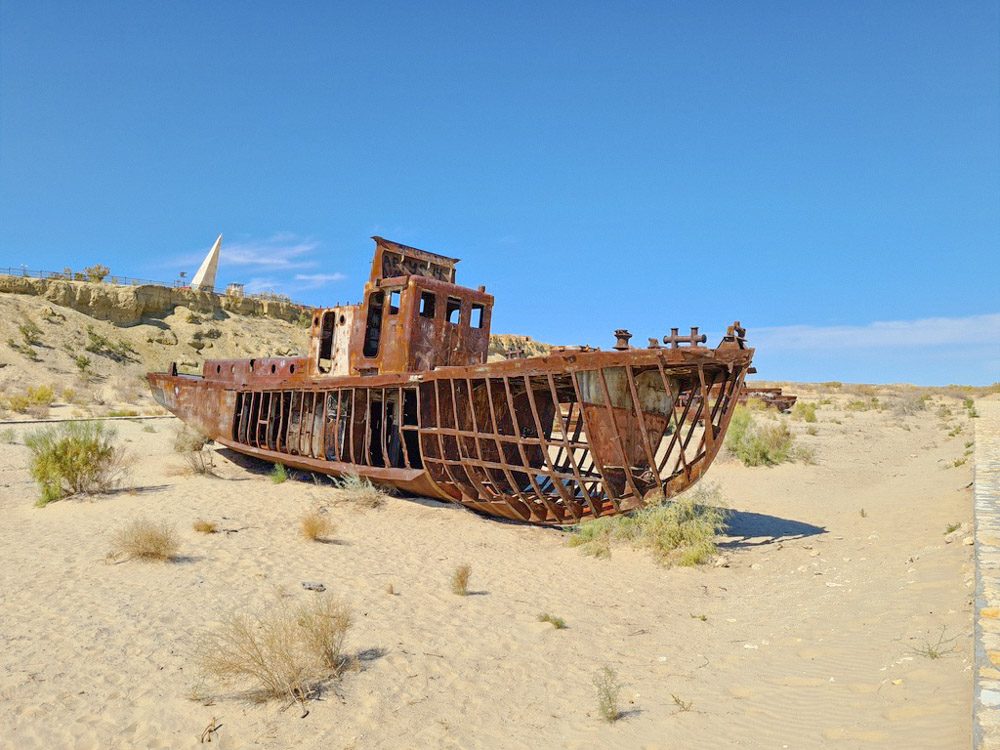
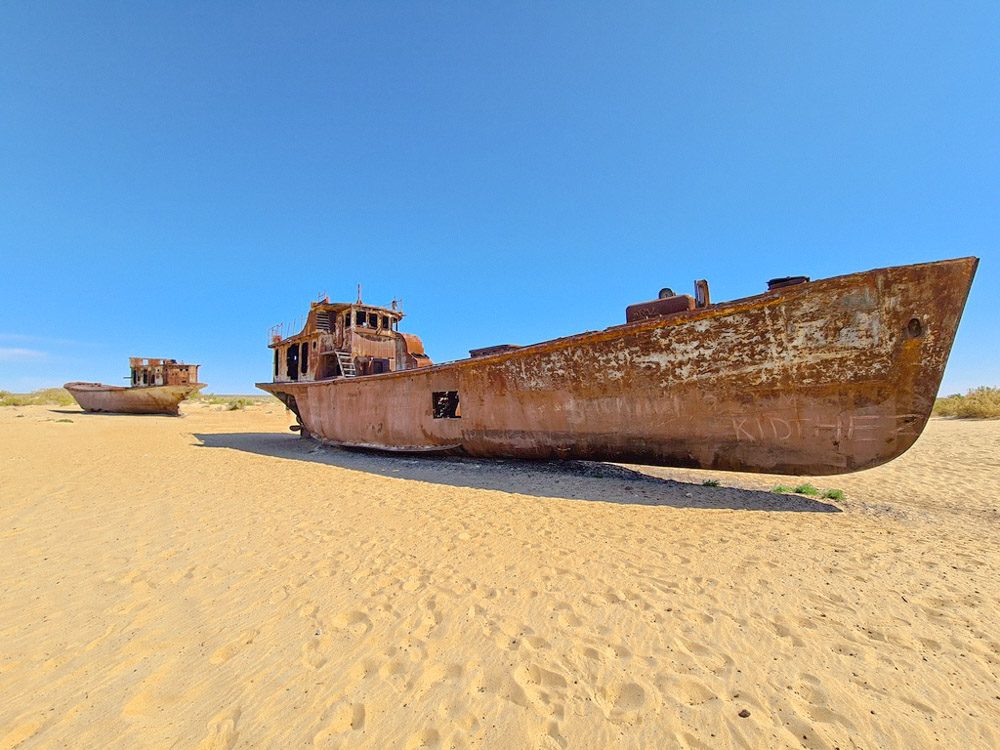
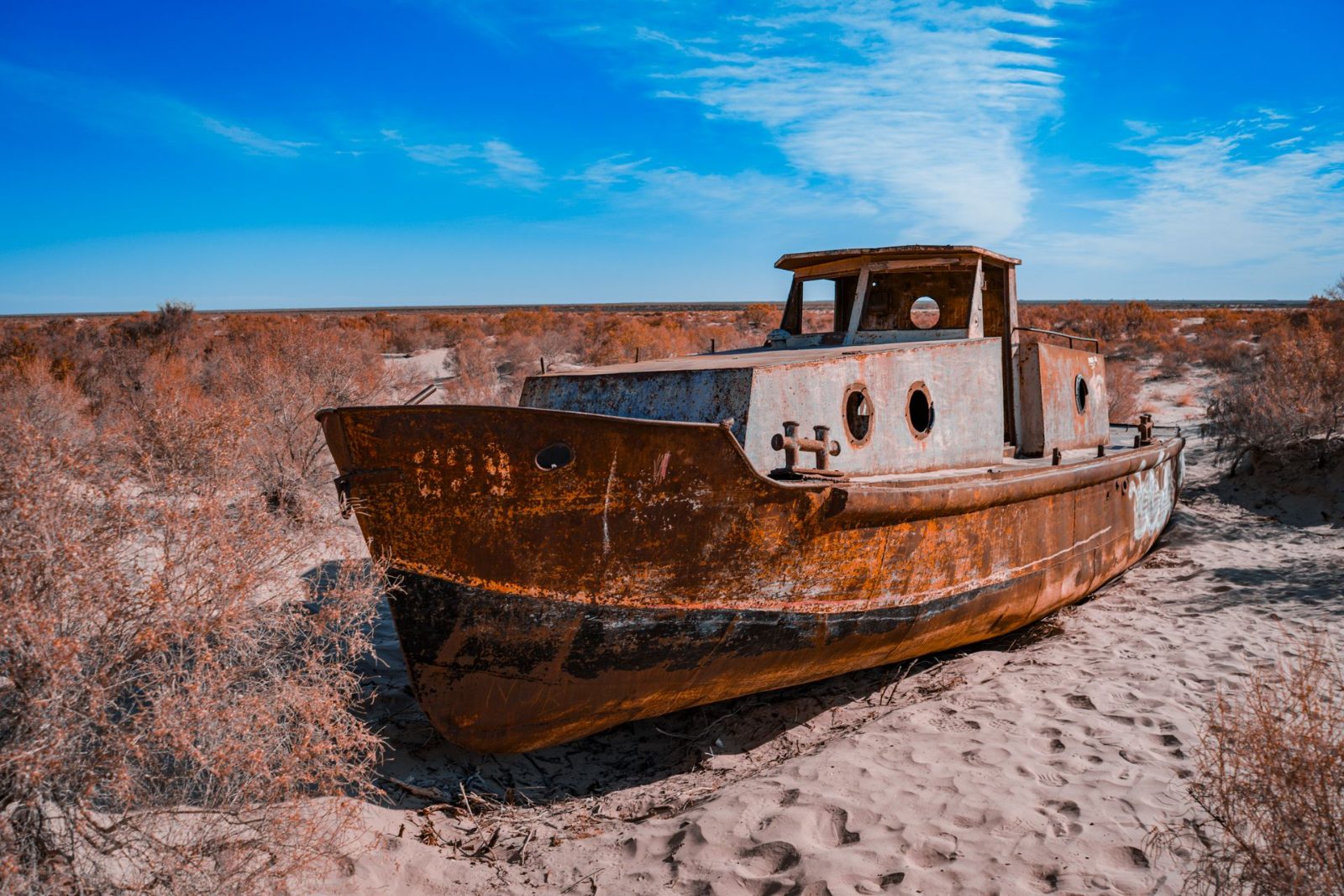
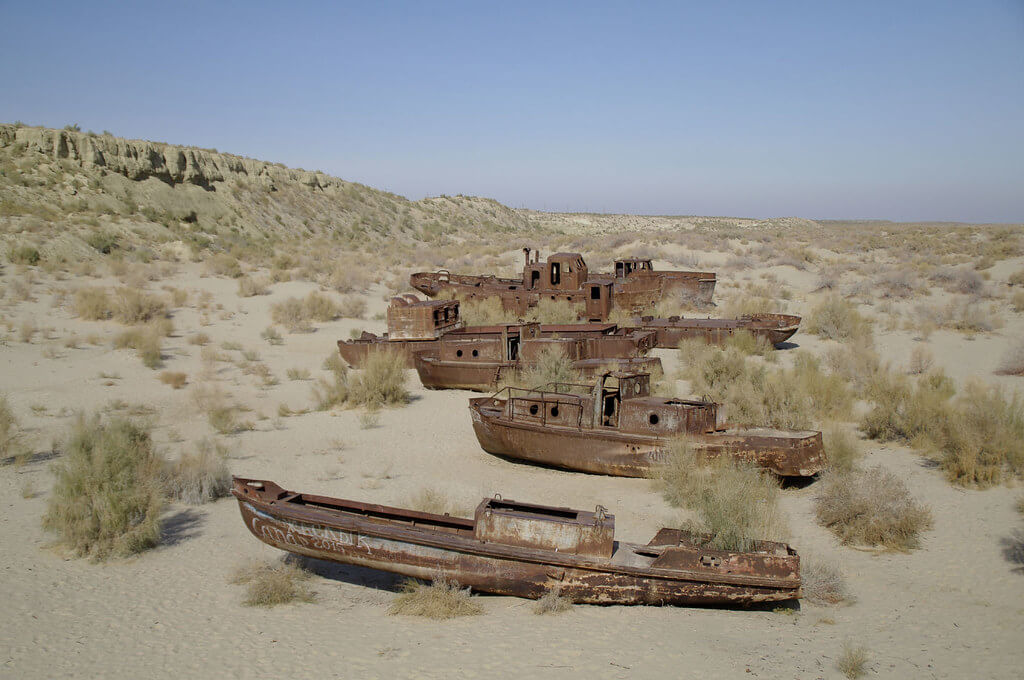
Explore the rusted vessels stranded in the former sea bed.
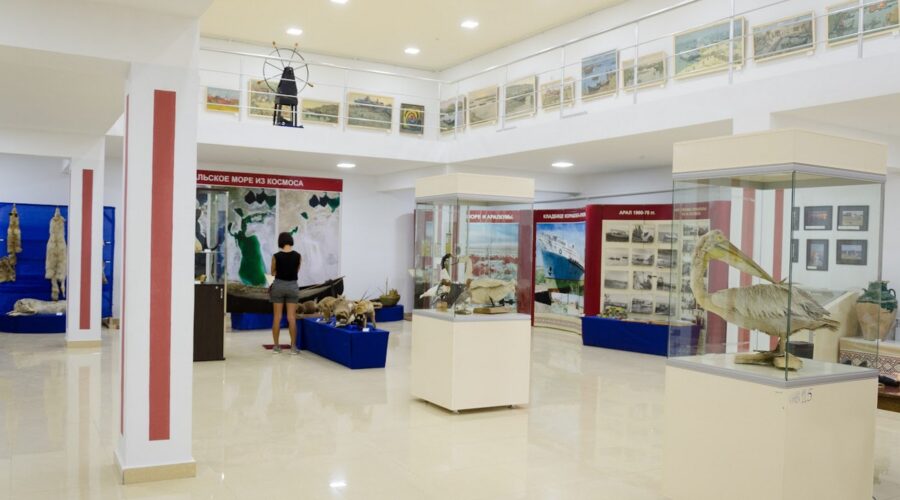
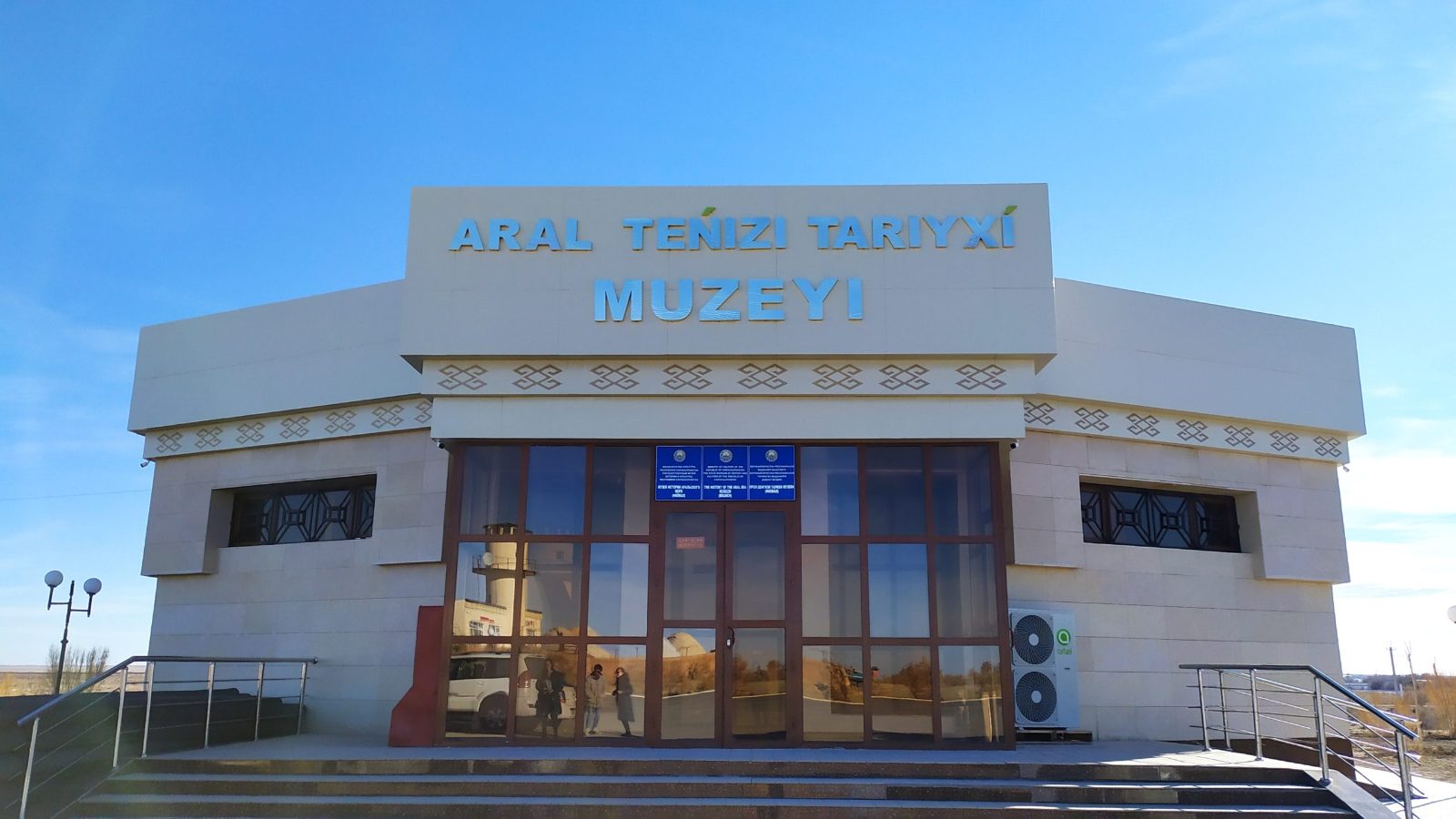
View exhibits documenting the Aral Sea history with 30,000 UZS entrance fee.
Drive back to the city center concluding your day trip.
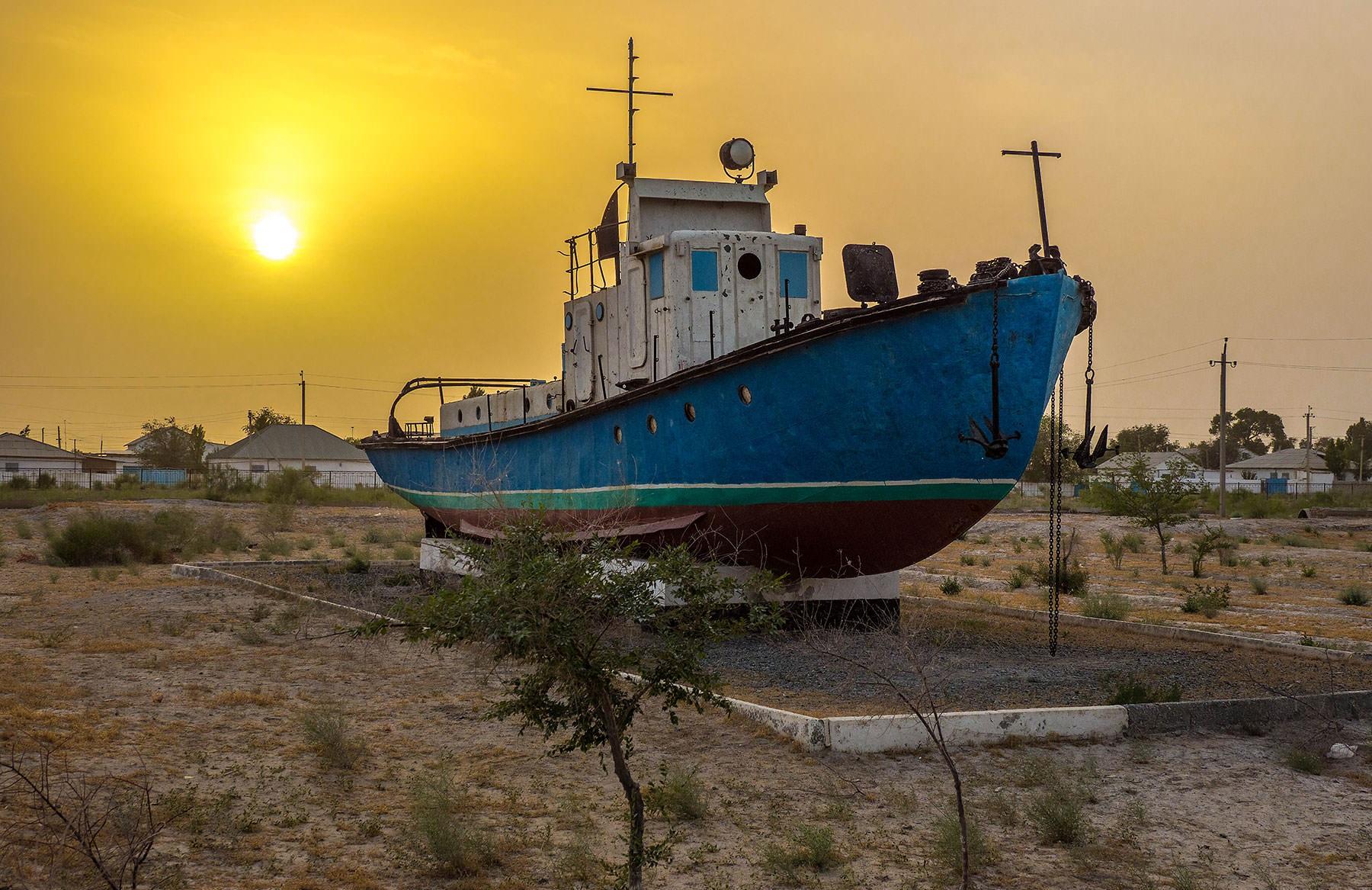
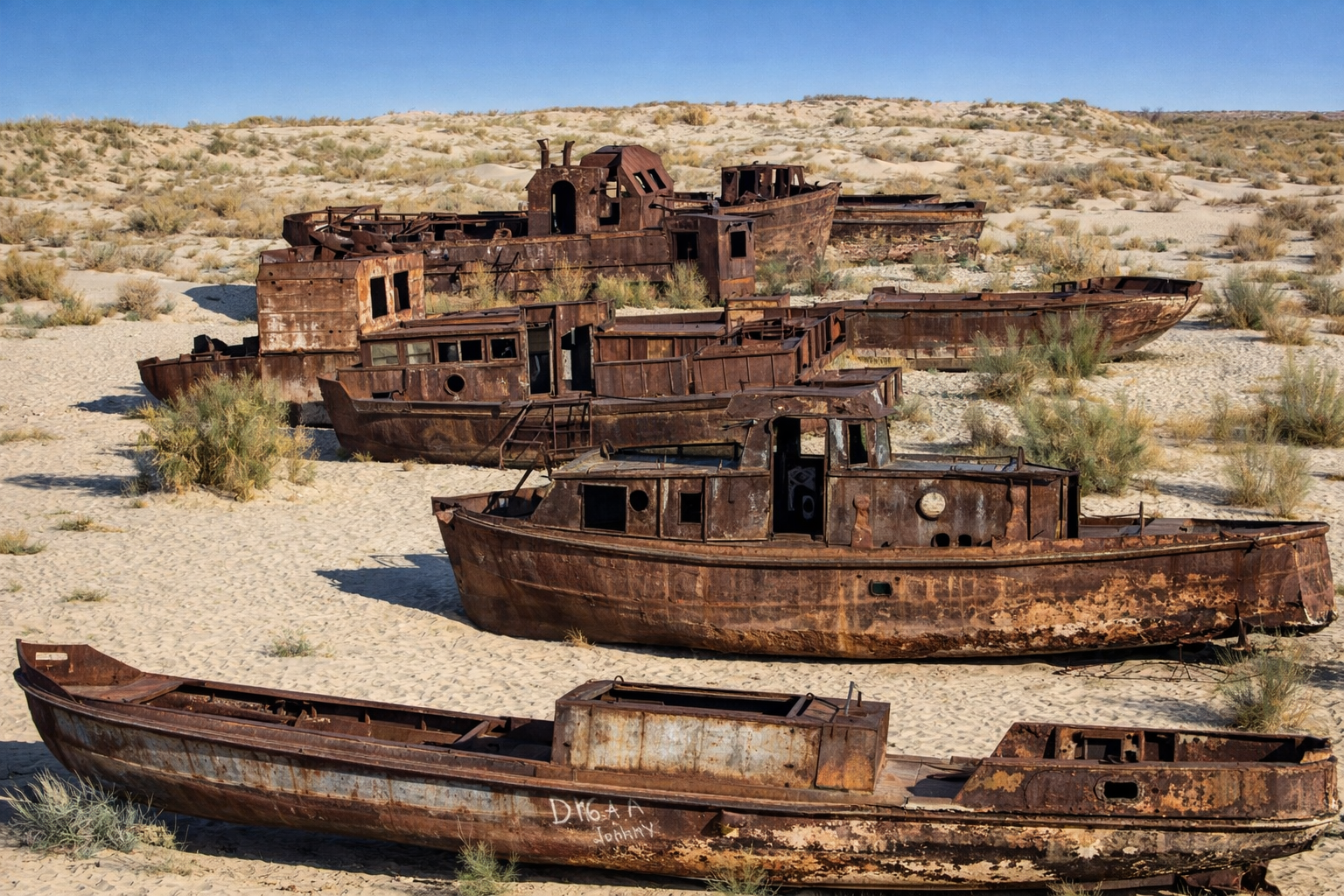
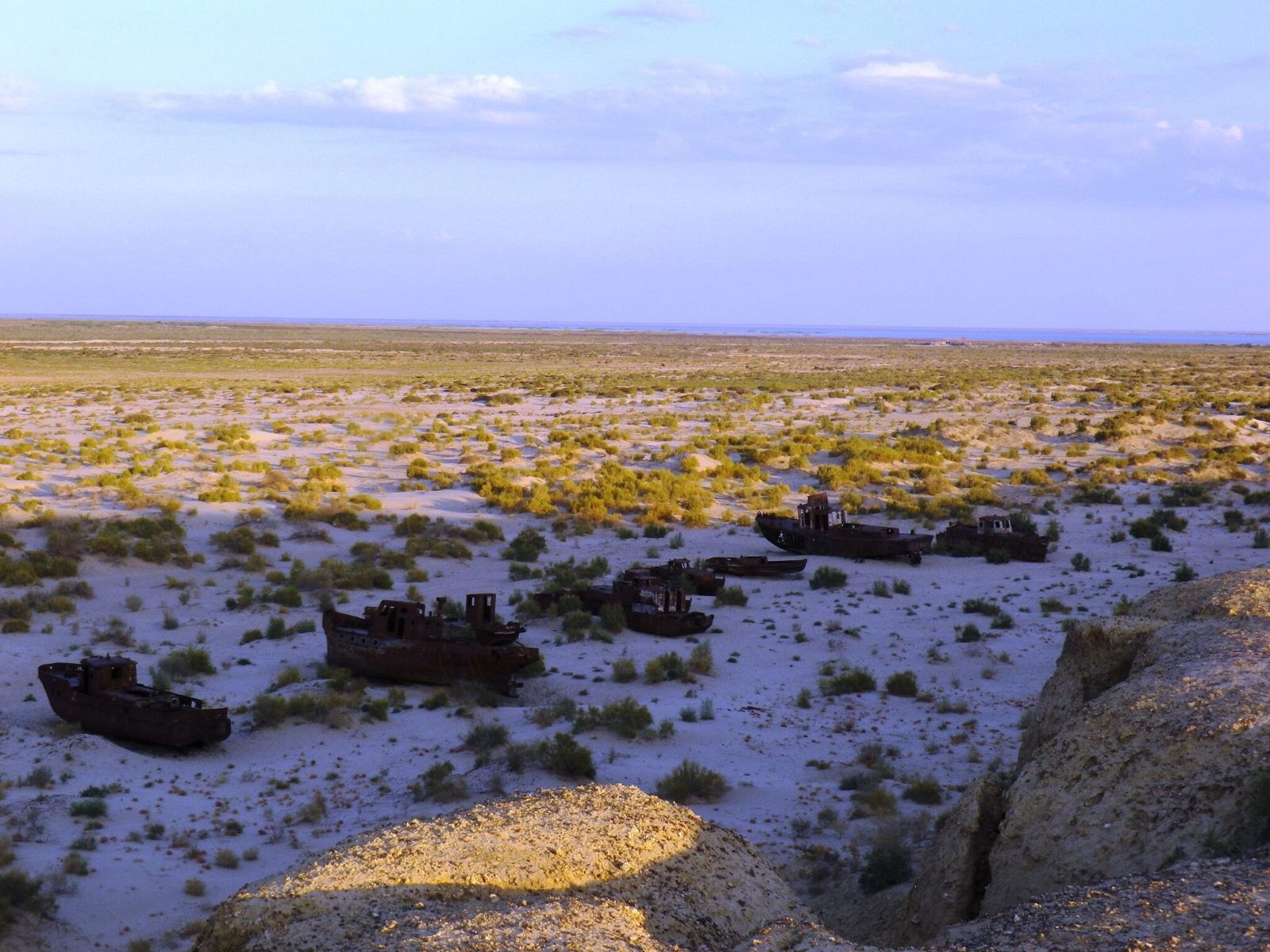
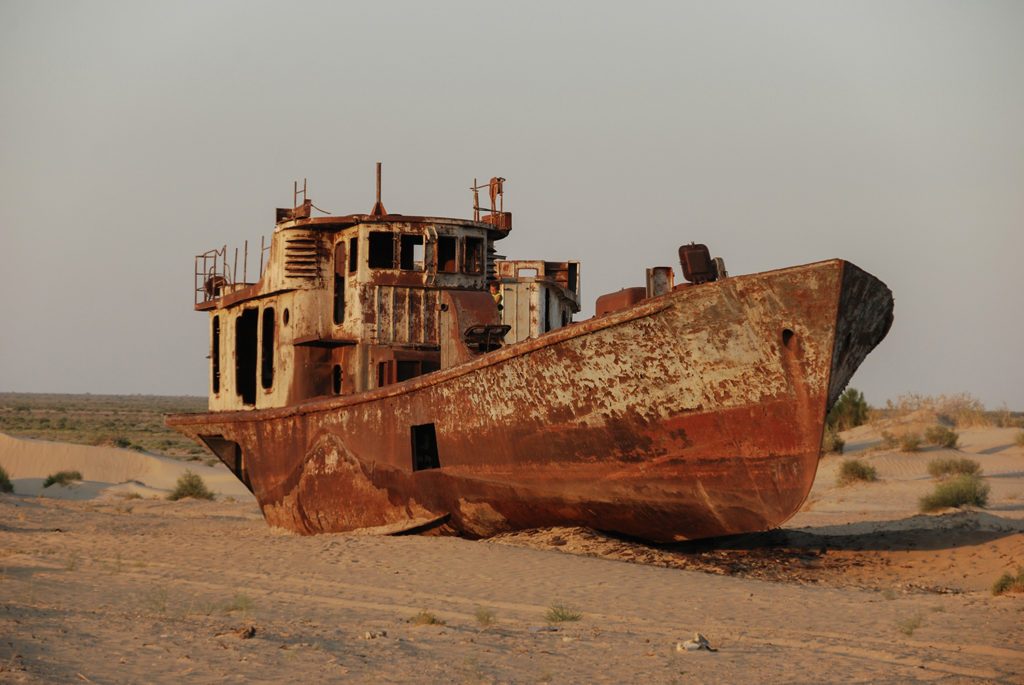
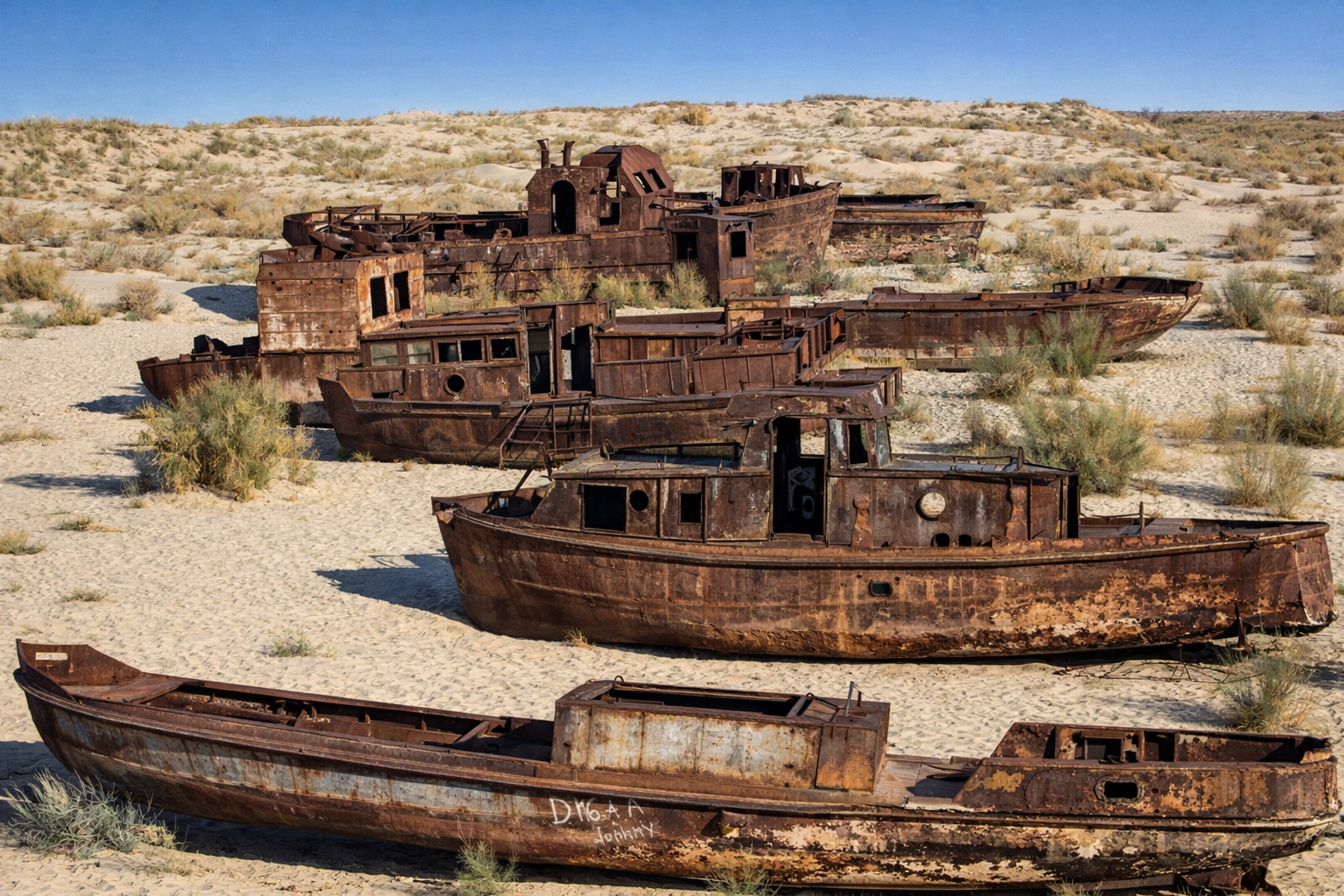
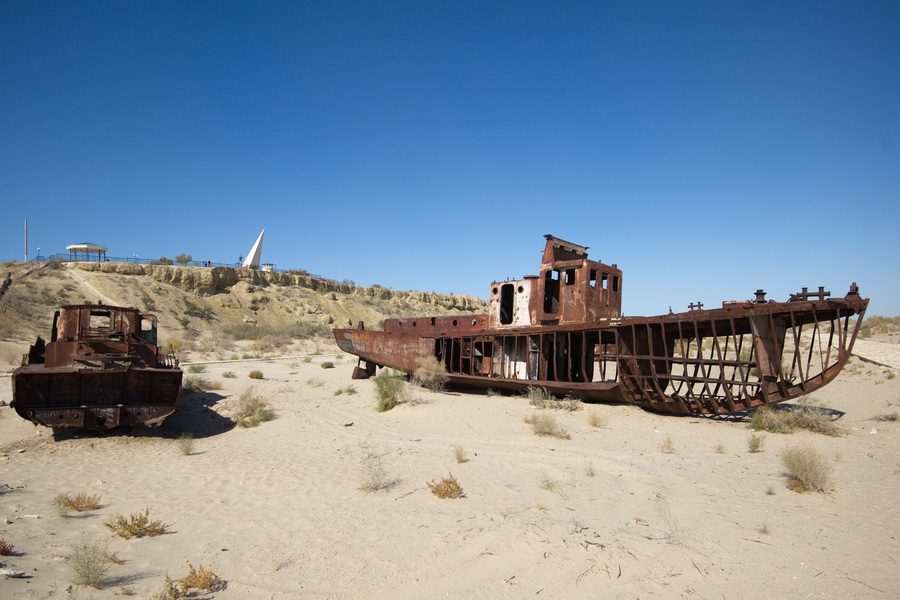
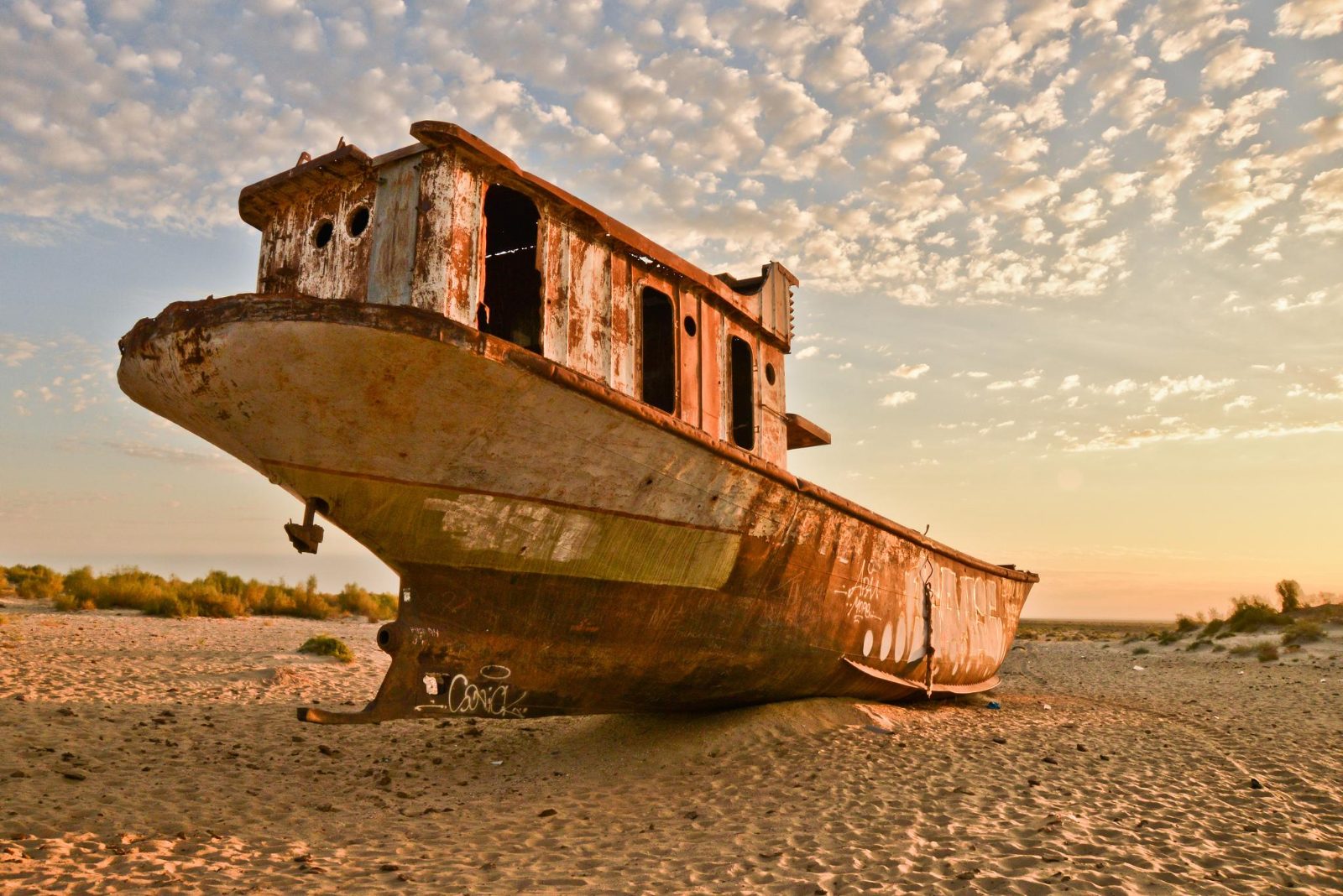
Dozens of rusted fishing vessels sit in the dry seabed as a reminder of ecological change.
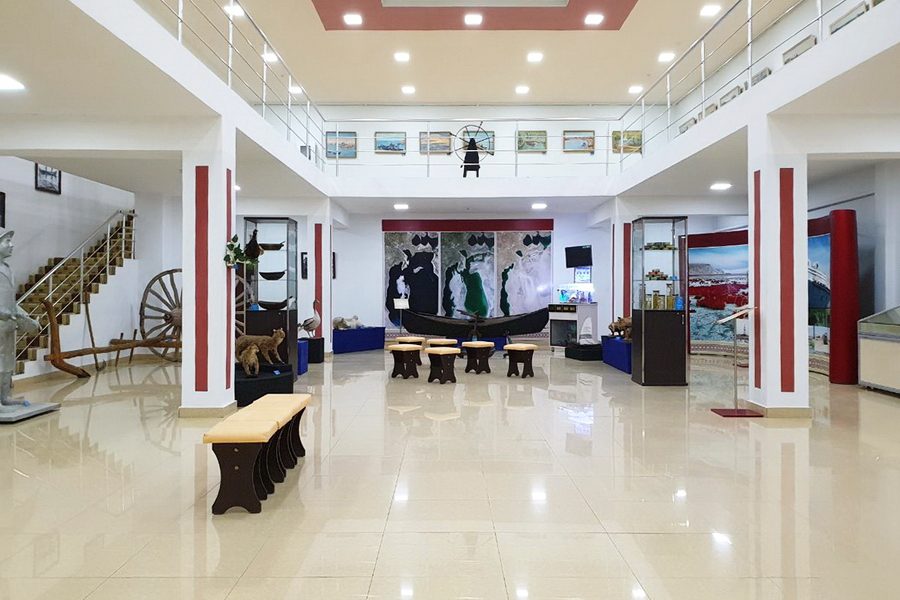
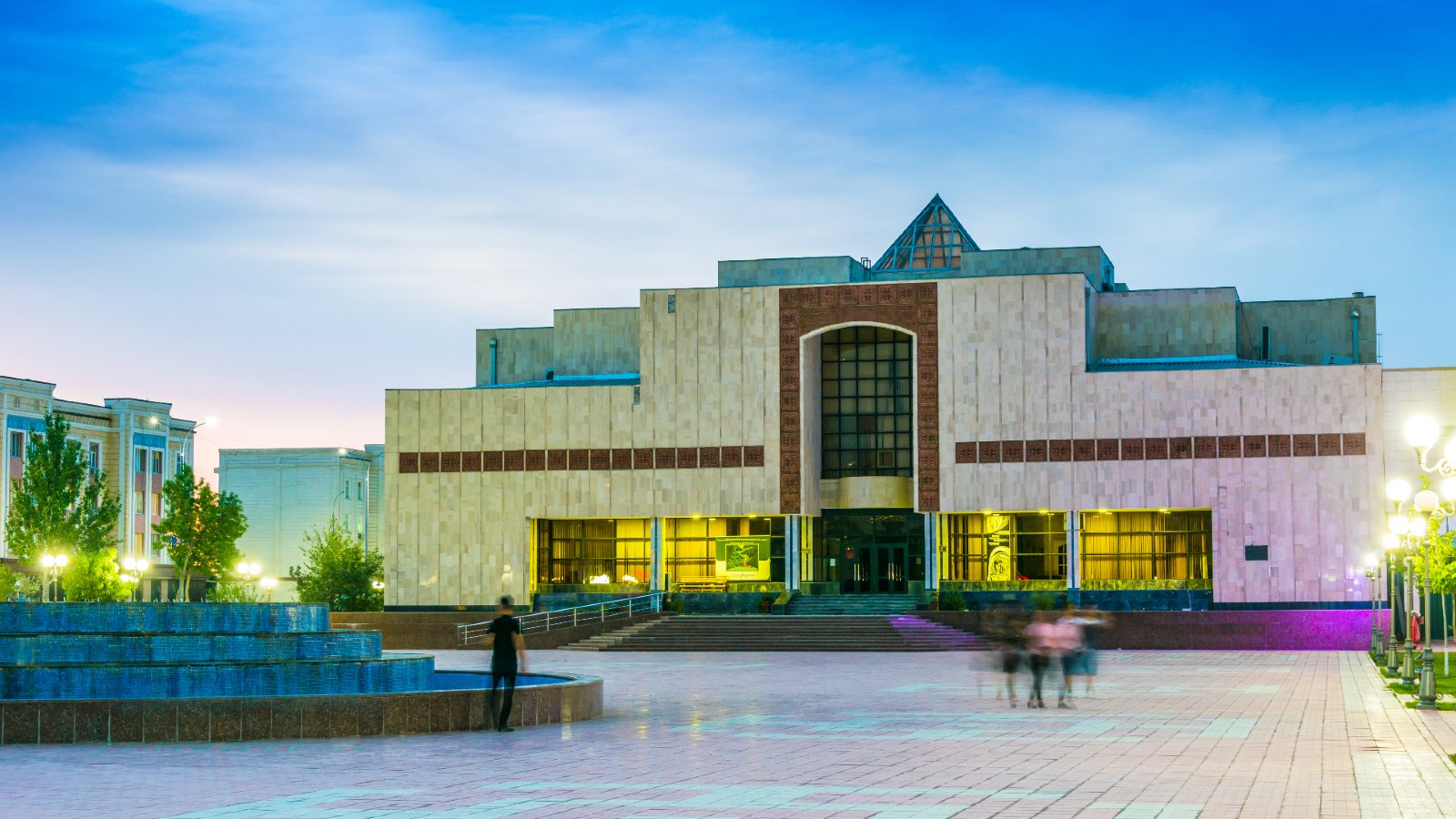
The museum houses artifacts and photos depicting the maritime past and the Aral Sea decline.
Stand where the sea once touched the town edge at the old port location.
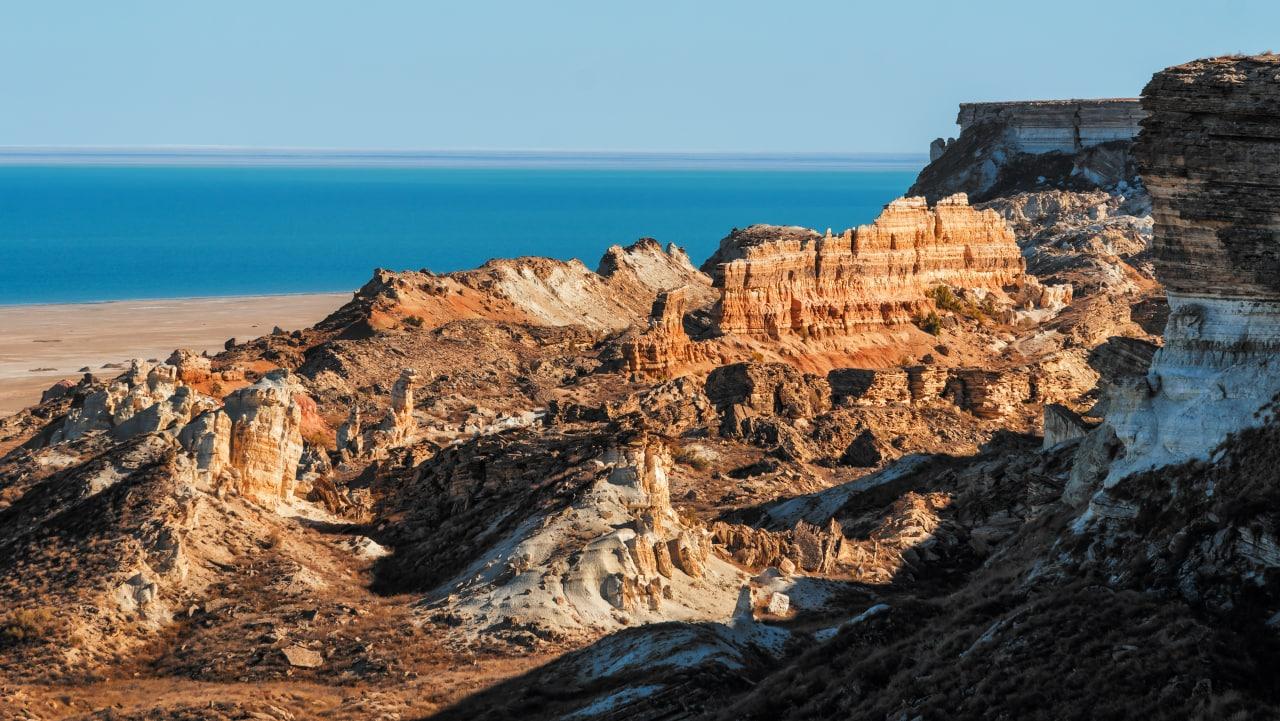
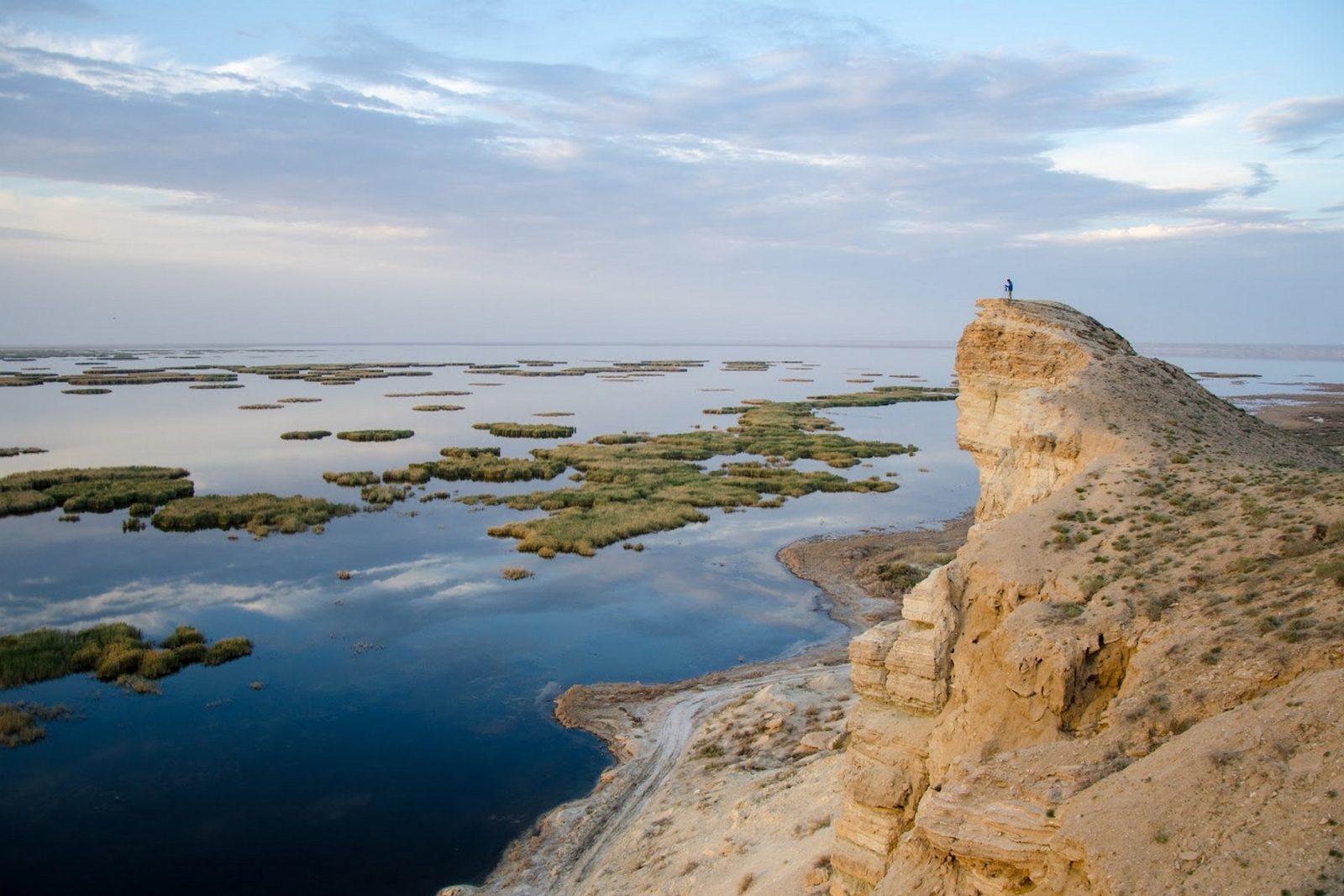
Vast desert vistas extend across the former seabed where the Aral Sea once stood.
You leave Nukus at first light, the highway unspooling northwest across the Kyzylkum Desert. The asphalt runs straight for 80 kilometres before the Ustyurt Plateau rises ahead, its edge marked by pale cliffs.
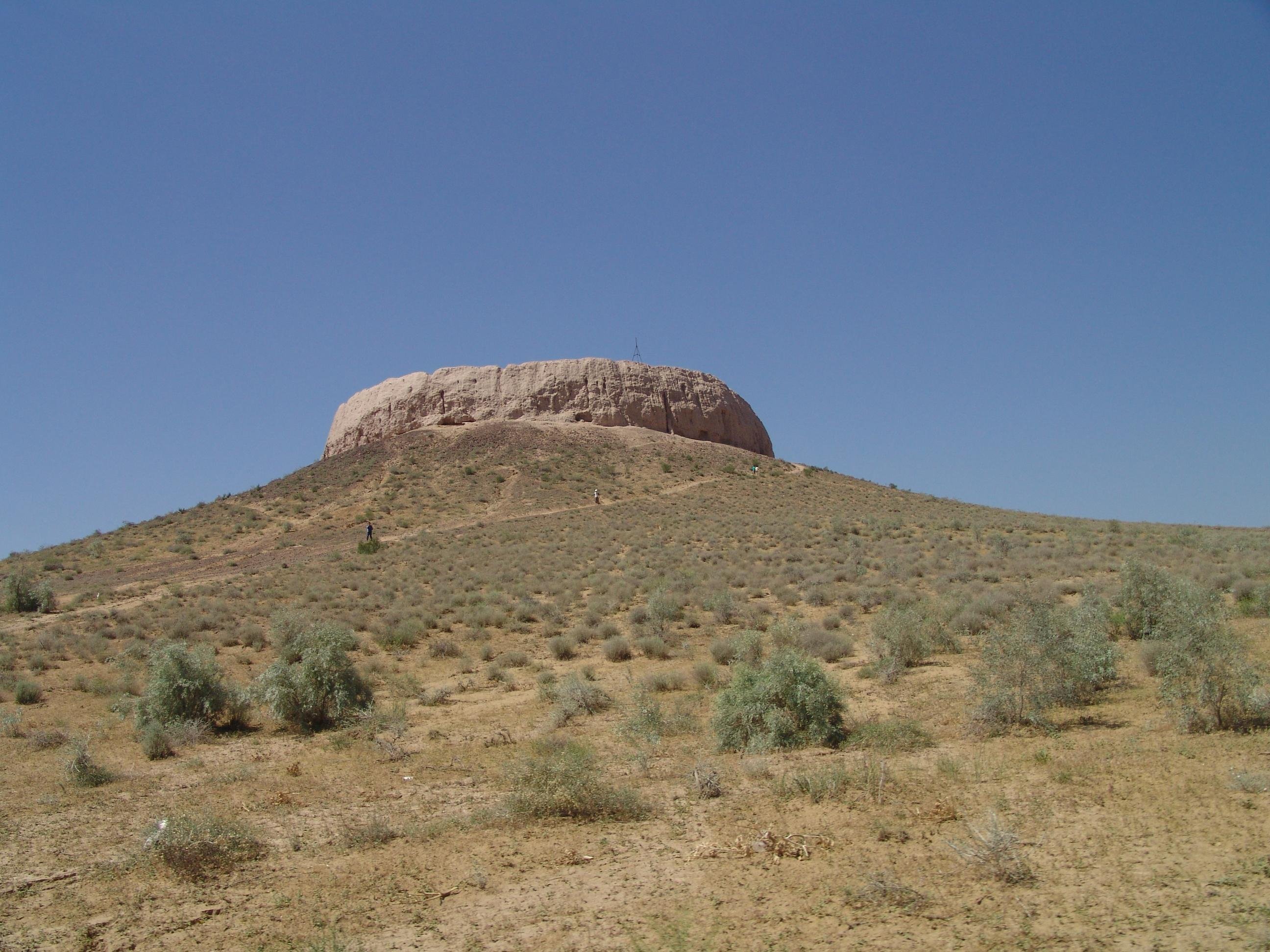
Your driver stops at Chilpik Fortress, a circular ruin perched on a limestone mesa, where Zoroastrian communities once exposed their dead to the sky. You climb the earthen ramp to the summit, scanning 360 degrees of empty steppe.
Another two hours brings you to Muynak, its Soviet-era apartment blocks faded to ochre and grey. The ship graveyard lies three kilometres beyond the town centre, accessed by a rutted track through saxaul thickets. Rust-orange trawlers loom against white sand, their bows pointed toward a sea that will not return. You walk among the hulls, peering into holds where fish once filled the decks, and photograph the largest vessel — its name still legible in Cyrillic paint.
The Aral Sea Museum occupies a low building facing the town square. Inside, black-and-white images show Muynak's harbour crowded with boats, women filleting carp at long tables, children swimming off wooden piers. You pay the 30,000-som entrance fee and study the glass cases holding dried fish, nautical instruments, and a relief map tracing the sea's retreat. By mid-afternoon you return to Nukus, the ship graveyard receding in the rear window — a fleet abandoned to the desert's slow claim.
All the details about your upcoming adventure in one place
The Aral Sea once covered 68,000 square kilometres across the Uzbek-Kazakh border, its fishing towns landing 40,000 tonnes of sturgeon, bream, and carp each year.
Soviet irrigation diverted the Amu Darya and Syr Darya rivers in the 1960s to flood Karakalpakstan's cotton fields, and by 1987 the sea had split into two shrinking basins. The fishing port of Muynak — once a bustling harbour with a canning fleet and processing plants — found itself stranded 150 kilometres from the receding shoreline. Rusting trawlers now sit on bleached seabed, their hulls tilted against dunes where waves once lapped.
The ship graveyard at Muynak became the most visible symbol of what the United Nations called one of the planet's worst environmental disasters. Salt storms carry toxic pesticide residue across the former lakebed, infant mortality rose sharply in surrounding settlements, and twenty-four native fish species vanished. The Aral Sea Museum, opened in the town's central square in 2009, displays archival photographs of fishermen hauling nets, maritime charts from the 1950s, and preserved fish specimens. Its modest exhibition hall contrasts the scale of the catastrophe it documents — a sea reduced to ten percent of its original volume within a single human lifetime.
Today, an aral sea day trip from nukus covers 200 kilometres of cracked earth and saxaul scrub. Travellers cross the Ustyurt Plateau, its limestone escarpments carved by wind into horizontal ridges, before descending to the former seabed. The ship graveyard holds around a dozen vessels, their Soviet-era navigation equipment still mounted in wheelhouses open to the desert sky. Local guides recount the abrupt end of Muynak's fishing economy — the last commercial catch landed in 1982, and by 1987 the cannery had closed. The town's population fell from 40,000 to fewer than 4,000 as workers migrated to Nukus and Tashkent.
The Aral Sea disaster remains a case study in central planning's ecological cost, taught in environmental science curricula worldwide. Kazakhstan's restoration of the North Aral Sea behind the Kok-Aral Dam has returned water to a fraction of the basin, but the Uzbek south remains desiccated. Nukus to Muynak tours pair the ship graveyard with visits to Chilpik Fortress, a fourth-century Zoroastrian ossuary overlooking the plateau, and some itineraries extend to yurt camps near the current waterline. The route traverses a landscape transformed within living memory — a sea turned to salt pan, fishing boats marooned in sand.
A sea reduced to ten percent of its original volume within a single human lifetime.
Modest clothing is recommended when visiting local settlements on an aral sea day trip from nukus. Due to the high UV index in the desert, lightweight long sleeves and hats are advisable.
Standard backpacks are permitted on your aral sea day trip from nukus tour. Security checks may be conducted at museum entrances.
Photography is permitted throughout the ship graveyard and museum during your aral sea day trip from nukus tickets usage. Commercial filming requires prior written authorization.
Families should prepare for long vehicle travel times during an aral sea day trip from nukus. Ensure children have adequate sun protection and hydration.
The ship graveyard terrain is uneven sand and salt crust, making wheelchair access difficult. Museum exhibits are accessible on a single floor.
Carry your own water and snacks, as options are limited in the remote desert near Muynak. Consumption of food is prohibited inside the museum exhibits.
Opening Hours
09:00–18:00
Address
Muynak, Karakalpakstan, Uzbekistan
Accessibility
Ground level access
Optimal Visit
09:00–17:00
Region
Karakalpakstan
Car · 3 hours round trip · Included in tour package
Private 4WD transport is the primary mode for an aral sea day trip from nukus.
Full refunds are available for cancellations made at least 48 hours prior to the scheduled departure of your aral sea day trip from nukus. No refunds are provided for cancellations within 48 hours, which includes the 30,000 UZS entrance fee for foreign visitors to the museum in Muynak.
Recommended time
Half a day
Planning an aral sea day trip from nukus requires accounting for the long transit time to reach the remote desert region. You should allocate sufficient hours to explore the rusted ship graveyard and local museum exhibits within the 09:00–17:00 arrival window. Selecting aral sea day trip from nukus tours that depart early helps avoid the peak desert heat, while aral sea day trip from nukus tickets for the museum are available at the entrance for 30,000 UZS. Consider that aral sea day trip from nukus tour groups often congregate at the main vessel collection around midday.
Crowd levels through the day
Weather · crowds · average price — dots go green to amber to red as each metric rises.
March to May offers moderate temperatures before the summer heat.
June to August is very hot, requiring careful hydration and morning departures.
September to October provides comfortable weather for long desert tours.
Drink water frequently during your aral sea day trip from nukus even if you do not feel thirsty.
Use high SPF sunscreen and wear a wide-brimmed hat to manage the extreme desert sun.
Keep 30,000 UZS in cash for the entrance fee for foreign visitors to the museum in Muynak as cards may not be accepted.
Aim for the best arrival window of 09:00–17:00 to maximize light for photography.
Book your aral sea day trip from nukus tour at least one week in advance during peak summer months.
Nukus City Center
Direct hotel pickup is included in most aral sea day trip from nukus tours.
Get directionsThe Aral Sea once ranked as the fourth-largest lake on Earth, fed by the Amu Darya and Syr Darya rivers that drained the snow-fed ranges of Central Asia. For centuries the sea sustained fishing communities along its Karakalpak shore, where Muynak emerged as a thriving port by the mid-twentieth century. Soviet planners regarded the basin as expendable. In 1960 Moscow launched a campaign to expand cotton production across Uzbekistan and Kazakhstan, diverting the tributary rivers into a network of canals that stretched across two million hectares of desert. Engineers predicted the sea would shrink but considered the trade worthwhile. Within a decade the waterline began its retreat. By 1987 the sea had split into northern and southern basins, and Muynak's harbour lay thirty kilometres from open water. The fishing fleet rusted in place. Salinity tripled, killing off endemic species and leaving a seabed laced with pesticide residues and industrial salts. Dust storms carried toxins across the region, and respiratory illness rates in Karakalpakstan climbed to among the highest in the former Soviet Union. The southern basin contracted faster than any model had forecast, and by 2014 its eastern lobe had vanished entirely. What remained covered less than ten percent of the sea's 1960 extent. Today an Aral Sea day trip from Nukus follows a paved road north to Muynak, where the Savitsky Museum and the ship graveyard mark the collapse. The vessels—trawlers and cargo barges—sit on hardpan fifty metres above the former waterline. A modest dam completed in 2005 has stabilised the northern basin, but the southern Aral remains a salt flat interrupted by shallow brine pools. Tourists book Aral Sea day trip from Nukus tours to witness the physical evidence of irrigation policy carried to its endpoint. The museum in Muynak holds photographs of the working port, fish-processing records, and interviews with former captains. The graveyard itself requires no interpretation. Soviet-era ambition and the physics of endorheic basins converged here, and the result is visible from orbit.
The Aral Sea covered 68,000 square kilometres and supported a productive fishery across its Karakalpak and Kazakh shores.
The Soviet government began large-scale diversion of the Amu Darya and Syr Darya rivers to irrigate cotton fields in Uzbekistan and Kazakhstan.
Falling water levels split the Aral Sea into separate northern and southern basins, and salinity rose beyond the tolerance of most native fish species.
Muynak's harbour lay more than 100 kilometres from the retreating southern shoreline, and the rusting fishing fleet became a permanent fixture on the dry seabed.
Construction of the Kok-Aral Dam stabilised the northern Aral basin, but the southern basin continued to contract toward complete desiccation.
The eastern lobe of the southern Aral Sea disappeared entirely, leaving behind a toxic salt desert visible in satellite imagery.
Position yourself among the abandoned vessels to frame the iron structures against the vast, dried-out seabed. This iconic landscape is essential for any aral sea day trip from nukus as it captures the contrast between maritime history and the desert environment.
Located near the entrance of the regional museum, this elevated point provides a panoramic perspective of the shoreline below. You can observe the scale of the ecological changes here while reviewing the documentation inside that supports your aral sea day trip from nukus tours.
Step onto the exposed floor near the former harbor to capture the crystalline texture of the salt crust. This location is a favorite for photographers seeking to document the stark, white landscape that defines a standard aral sea day trip from nukus tickets request.
Though no longer functional, the lighthouse silhouette serves as a historical marker overlooking the former port area. Visitors often stop here during an aral sea day trip from nukus tour to photograph the weathered structure against the expansive, cloudless sky.
Planning an aral sea day trip from nukus with children requires careful preparation due to the remote desert environment and long travel times. While the ship graveyard offers a unique perspective for older students, the rugged terrain is best navigated by families who prioritize preparation and patience.
Standard strollers are ineffective on the sandy, uneven terrain surrounding the shipwrecks, so bring a high-quality child carrier instead. This ensures you can explore the area safely while managing the dry, desert landscape during your aral sea day trip from nukus tours.
The museum in Muynak located at Muynak, Karakalpakstan, Uzbekistan, does not have dedicated baby-change facilities, so pack a portable changing mat in your bag. Access to the museum is available for an entrance fee of 30,000 UZS (Entrance fee for foreign visitors to the museum in Muynak).
The best arrival window is 09:00–17:00, which allows enough time to view the exhibits without rushing children who may fatigue quickly in the heat. Consider booking an organized aral sea day trip from nukus tour to manage the transit logistics efficiently for younger travelers.
Always carry extra water and sun protection, as there is little shade near the abandoned vessels and desert sun can be harsh. Securing aral sea day trip from nukus tickets in advance helps streamline your arrival at the local site.
Dining options are limited in Muynak, so travelers planning an aral sea day trip from nukus should anticipate basic local fare. While formal restaurants are scarce, a few small establishments provide traditional Karakalpak dishes near the ship graveyard and local museum.
A modest spot serving shashlik and lagman, ideal for a quick meal before exploring the ship cemetery as part of your aral sea day trip from nukus tours.;Restoran Aral
Everything you need to know for your journey
The museum is open daily from 09:00–18:00 for your aral sea day trip from nukus.
The ship graveyard terrain is uneven and not suitable for wheelchairs, though the museum is flat.
The entrance fee for foreign visitors to the museum in Muynak is 30,000 UZS.
Wear breathable, light-colored clothing and a hat to protect against the sun during your aral sea day trip from nukus.
Yes, children are welcome but ensure they are prepared for the long, bumpy vehicle travel associated with any aral sea day trip from nukus tour.
The best arrival window is 09:00–17:00 for viewing the ship graveyard exhibits during your aral sea day trip from nukus.
Food is not permitted inside the museum exhibits, but you may bring water for your aral sea day trip from nukus.
The only way to reach the site for your aral sea day trip from nukus is via a 4WD vehicle from Nukus.
Cancellations within 48 hours of your aral sea day trip from nukus tour are non-refundable.
Internationally recognized for its collection of Russian avant-garde art.
An ancient architectural complex located on the outskirts of Nukus.
Traditional Karakalpak architectural elements and central location.
Standard accommodation near the central station.
Join thousands of happy travelers who have discovered this incredible experience
Book Your Experience Now